Tungsten Alloy Radiation Shielding in X-ray Detection
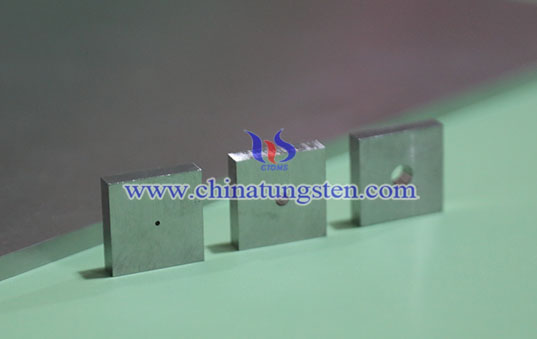
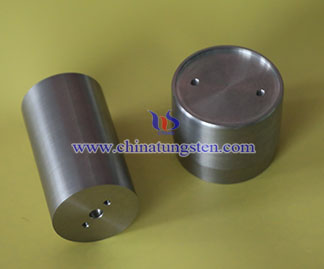
Tungsten alloy radiation shielding in X-ray detection serves as a high-density shielding solution for X-ray Non-Destructive Testing (NDT) equipment, providing X-ray attenuation, beam collimation, and scatter suppression. CTIA’s tungsten alloy radiation shielding reduces radiation leakage and scattered radiation, improving radiographic image quality and defect detection across industrial radiography, industrial Computed Tomography (CT), real-time imaging, and precision component inspection.
1. Features of CTIA’s Tungsten Alloy Radiation Shielding in X-ray Detection
(1) Efficient Radiation Attenuation: High density of 16.7–18.8 g/cm³ enables efficient X-ray attenuation, helping limit radiation leakage and scatter for improved safety.
(2) Compact Structural Design: High material density enables reduced component thickness and volume while meeting shielding requirements, supporting space-constrained X-ray inspection equipment.
(3) Precise Beam Control: Machinable into collimators, shielding rings, and protective housings to control beam propagation, minimize scatter, and improve radiographic image quality.
(4) Precision Machining Capability: Combining powder metallurgy with precision machining enables micro-apertures, narrow slots, and complex structures for high-precision assembly.
(5) Stable Operational Performance: High mechanical strength, wear resistance, and dimensional stability enable components to withstand vibration, thermal loads, and prolonged operation.
(6) Non-Toxic and Environmentally Friendly Material: Providing a safer, more environmentally compatible alternative to conventional lead shielding for long-term industrial inspection.
2. Applications of CTIA’s Tungsten Alloy Radiation Shielding in X-ray Detection
(1) X-ray Source Protection: Used around X-ray tube assemblies to reduce radiation leakage and support safe equipment operation.
(2) Beam Collimation: Used in X-ray radiography and industrial CT systems to limit beam propagation, reduce scattered radiation, and improve image quality.
(3) Detector Scatter Shielding: Used around detector assemblies to attenuate unwanted radiation, reduce background interference, and improve defect detection.
(4) Inspection Area Radiation Protection: Used in shielding structures of industrial X-ray inspection equipment to reduce environmental radiation exposure during continuous operation.
(5) Precision Non-Destructive Testing: Used for X-ray inspection of welds, electronic components, aerospace parts, composite materials, and other precision components to improve internal defect detection.
(6) Industrial Applications: Used in X-ray Non-Destructive Testing (NDT) across aerospace, automotive, electronics and semiconductor, petrochemical, machinery manufacturing, and composite material applications.
3. Specifications of CTIA’s Tungsten Alloy Radiation Shielding in X-ray Detection
(1) Materials: W-Ni-Fe, W-Ni-Cu
(2) Tungsten Content: 90%–97%
(3) Density: 16.7–18.8 g/cm³
(4) Grades: 90WNiFe, 92.5WNiFe, 95WNiFe, 97WNiFe
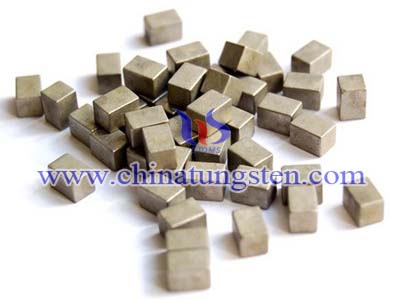
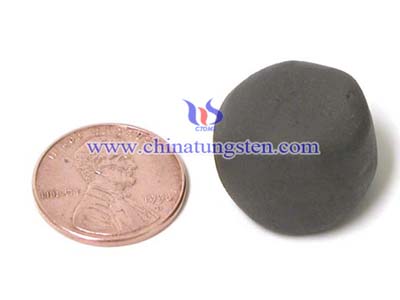
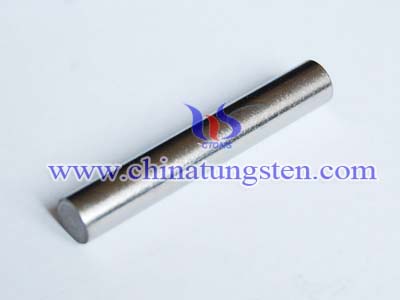
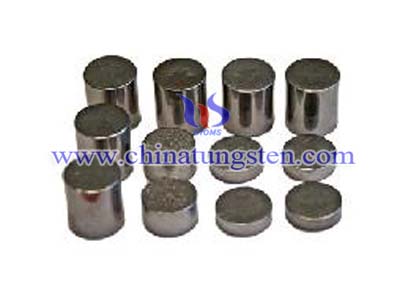
(5) Types: Collimators, shielding rings, shielding plates, detector covers, source shielding parts, custom shielding parts
(6) Dimensions: Customized
CTIA GROUP draws on nearly 30 years of tungsten alloy manufacturing expertise to deliver precision X-ray shielding solutions. CTIA integrates material selection, powder metallurgy, precision machining, and dimensional inspection to control material grade, density, shielding geometry, and critical dimensions, ensuring consistent radiation attenuation, accurate beam collimation, and dimensional stability in demanding X-ray inspection systems.
For any inquiry, please contact tungsten alloy manufacturer: CTIA GROUP
Email: sales@chinatungsten.com
Tel: 0086 592 5129696 / 0086 592 5129595
Website: tungsten-alloy.com
WeChat:

Related Products: