Tungsten Alloy Radiation Shielding in Radioactive Material Transport
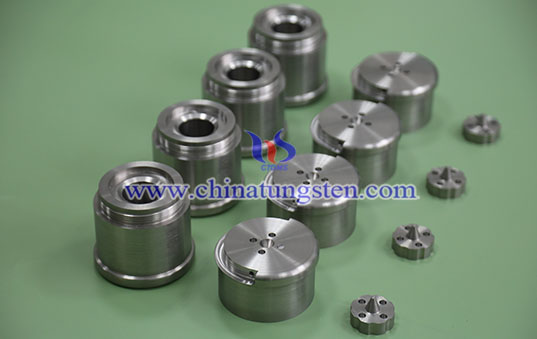
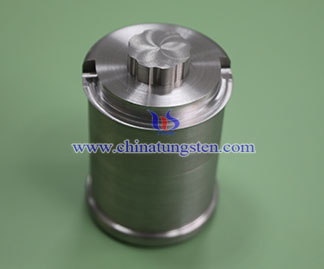
Tungsten alloy radiation shielding provides radiation protection in radioactive material transport, including radiopharmaceuticals, industrial radioactive sources, research isotopes, and other radioactive materials transported by road, air, sea, and on-site transfer. Tungsten alloy shields are suitable for cross-regional transport and on-site transfer of radioactive materials.
1. Features of CTIA’s Tungsten Alloy Radiation Shielding in Radioactive Material Transport
(1) High-Density Compact Shielding: Utilizes high density (16.7–18.8 g/cm³) and high atomic number to effectively attenuate γ-rays and X-rays while helping reduce shielding structure dimensions.
(2) High Strength and Impact Resistance: Tensile strength can reach 750–1050 MPa, providing good mechanical strength and impact resistance to withstand vibration, collision, and handling loads during transport.
(3) Reliable Sealing: Threaded locking, double or multiple covers, step joints, and sealing grooves help reduce radiation leakage at joints and improve sealing stability during transport.
(4) Corrosion Resistance and Easy Maintenance: Good corrosion resistance, together with machining, polishing, and easy-to-decontaminate surface treatment, facilitates cleaning and repeated use of transport containers.
(5) Lead-Free: Tungsten alloy contains no lead, reducing contamination and disposal concerns associated with lead shielding materials in medical, research, and industrial radioactive material transport.
2. Applications of CTIA’s Tungsten Alloy Radiation Shielding in Radioactive Material Transport
(1) Nuclear Medicine Radiopharmaceutical Transport: Used for shielding during the transport of ¹⁸F-FDG, ¹³¹I, ¹⁷⁷Lu, and other PET (Positron Emission Tomography) and SPECT (Single Photon Emission Computed Tomography) radiopharmaceuticals from production and dispensing facilities to hospitals and nuclear medicine departments.
(2) Industrial Radiography and Well Logging Source Transport: Used for shielding during the transport and on-site transfer of industrial γ-ray sources such as Ir-192, Co-60, and Se-75, as well as oil well logging sources.
(3) Research and Nuclear Engineering Sample Transport: Used for shielding during cross-laboratory and cross-site transport of cyclotron products, radioactive samples, high-activity reference materials, and radioactive components related to nuclear engineering.
(4) Radioactive Waste and Contaminated Material Transport: Used for shielding during the transfer of radioactive sources, radioactive waste, and contaminated components for recovery, treatment, or disposal.
3. Specifications of CTIA’s Tungsten Alloy Radiation Shielding in Radioactive Material Transport
(1) Materials: W-Ni-Fe, W-Ni-Cu
(2) Density: 16.7–18.8 g/cm³
(3) Forms: Transport containers, source containers, and shielding liners, with double or multiple covers, sealing grooves, locking mechanisms, positioning structures, and shock-absorbing liners available
(4) Dimensions: Customizable
Nearly 30 years of tungsten alloy manufacturing experience enables CTIA GROUP to manufacture and precision-machine shielding components for radioactive material transport. CTIA specifies the material grade, shielding thickness, cavity dimensions, and cover and sealing structures according to specific transport requirements, with precision machining and dimensional inspection of critical features to ensure effective radiation shielding, structural integrity, reliable sealing, and accurate assembly.
For any inquiry, please contact tungsten alloy manufacturer: CTIA GROUP
Email: sales@chinatungsten.com
Tel: 0086 592 5129696 / 0086 592 5129595
Website: tungsten-alloy.com
WeChat:
Related Products: