Tungsten Alloy Radiation Shielding in Instrumentation
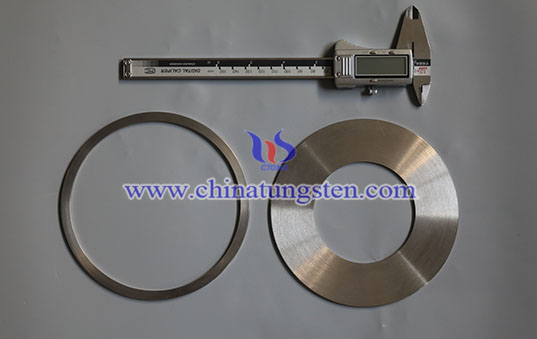
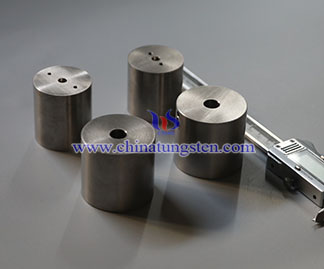
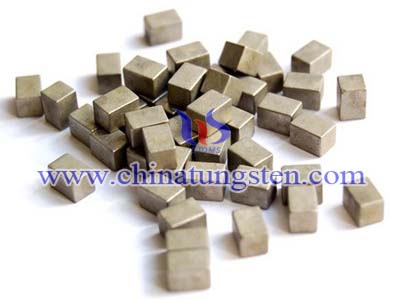
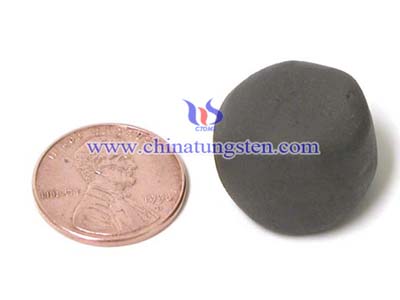
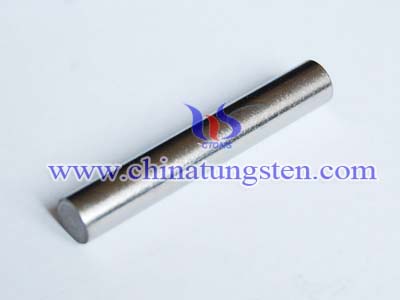
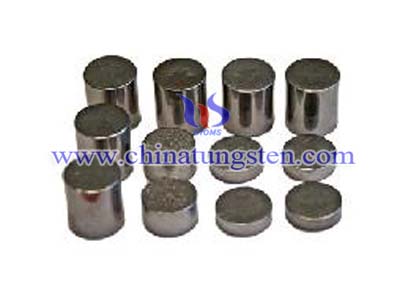
Tungsten alloy radiation shielding in instrumentation refers to precision radiation protection components manufactured from high-density tungsten heavy alloys and primarily used in nuclear radiation monitoring, radiation detection, analytical testing, and scientific instruments. CTIA’s tungsten alloy radiation shielding effectively attenuates gamma rays, X-rays, and other ionizing radiation, reducing scattered radiation and background interference around detectors, improving measurement accuracy and equipment stability, and protecting sensitive components from radiation exposure.
1. Features of CTIA’s Tungsten Alloy Radiation Shielding in Instrumentation
(1) High Density & Efficient Shielding: Density of 16.7–18.8 g/cm³ and tungsten’s high atomic number provide strong absorption and attenuation of gamma rays and X-rays, reducing radiation leakage and environmental interference.
(2) Compact Structure & Small Size: High specific gravity reduces component thickness and dimensions while maintaining shielding performance, making parts suitable for instrument interiors, detection areas, and space-constrained installation locations.
(3) Low Background & Reduced Interference: Reduces environmental radiation and scattered rays entering detection areas, lowering measurement background and improving data accuracy in radiation detection and analytical instruments.
(4) High Strength & Structural Stability: High mechanical strength, hardness, and wear resistance withstand vibration, impact, and long-term operational loads while maintaining shielding structural stability.
(5) High-Temperature & Corrosion Resistance: Good thermal and chemical stability supports long-term operation in laboratory instruments, industrial testing equipment, and specialized environments.
(6) Precision Machining & Strong Adaptability: Supports turning, milling, grinding, wire cutting, electrical discharge machining, and polishing to manufacture shielding covers, collimators, shielding rings, detector protection parts, and complex custom-shaped components.
(7) Lead-Free & Recyclable: Contains no lead or other hazardous heavy metals, eliminating lead-related contamination risks and allowing material recycling after service.
2. Applications of CTIA’s Tungsten Alloy Radiation Shielding in Instrumentation
(1) Radiation Monitoring Instruments: Used in shielding covers, collimators, and detector protection structures for gamma spectrometers, dose-rate meters, neutron detectors, and nuclear radiation monitoring instruments to reduce environmental radiation and scattered radiation, improving detection sensitivity and measurement accuracy.
(2) Nuclear Analytical Instruments: Used as localized shielding components in radioactive analysis equipment, isotope measurement instruments, and nuclear experimental detection systems to reduce background radiation interference and improve analytical reliability.
(3) X-Ray Analysis Equipment: Used for source shielding, detector protection, and collimation structures in X-ray Fluorescence Spectrometers (XRF), X-ray inspection instruments, and related equipment to optimize radiation paths and improve detection stability.
(4) Mass Spectrometry & Precision Detection Equipment: Used as localized radiation shielding structures in Mass Spectrometers (MS) and high-precision analytical instruments to protect sensitive components and reduce external interference.
(5) Particle Detection Experimental Instruments: Used as detector shielding components, collimators, and localized protection structures in nuclear physics and particle physics experiments to reduce the effects of stray radiation on experimental signals.
(6) Industrial Testing Instruments: Used for radiation source protection and detector shielding in industrial CT, Non-Destructive Testing (NDT) equipment, and online measurement instruments to support reliable long-term operation.
(7) Scientific Research Equipment: Used as precision shielding components in synchrotron radiation, materials analysis, radiation experiments, and other scientific research systems to meet radiation control requirements in complex experimental environments.
3. Specifications of CTIA’s Tungsten Alloy Radiation Shielding in Instrumentation
(1) Material: W-Ni-Fe, W-Ni-Cu
(2) Tungsten Content: 90%–97%
(3) Density: 16.7–18.8 g/cm³
(4) Structures: Shielding covers, shielding rings, shielding boxes, collimators, shielding blocks, and custom-shaped shielding components
(5) Dimensions: Customized
With nearly 30 years of experience in tungsten alloy manufacturing, CTIA GROUP has established capabilities in powder metallurgy and precision machining. CTIA customizes tungsten alloy radiation shields according to instrument configurations, radiation environments, and installation requirements, supporting effective radiation shielding, measurement stability, and reliable long-term operation.
For any inquiry, please contact tungsten alloy manufacturer: CTIA GROUP
Email: sales@chinatungsten.com
Tel: 0086 592 5129696 / 0086 592 5129595
Website: tungsten-alloy.com
WeChat:

Related Products: