Tungsten Alloy Radiation Shielding in Laboratory
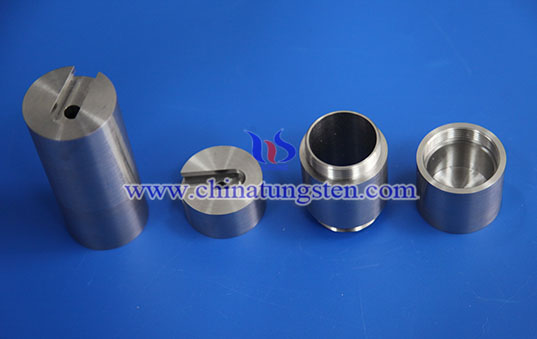
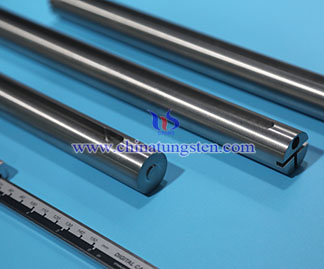
Tungsten alloy radiation shielding in laboratory refers to high-density radiation protection components used in nuclear physics, particle physics, fusion research, synchrotron radiation, and other scientific research applications. CTIA’s tungsten alloy radiation shields primarily shield against radioactive isotopes, X-rays, gamma rays, neutrons, and high-energy particle radiation, while collimation structures control radiation propagation and reduce the impact of background radiation on experimental data.
1. Features of CTIA’s Tungsten Alloy Radiation Shielding in Laboratory
(1) High Shielding Efficiency: Density of 16.7–18.8 g/cm³ and tungsten’s high atomic number provide strong gamma-ray absorption and attenuation, effectively reducing radiation levels in experimental areas.
(2) Compact Structure: High specific gravity reduces shielding thickness and component dimensions while achieving the required shielding performance, making the material suitable for space-constrained areas such as equipment interiors, sample chambers, and detector surroundings.
(3) Low Background Interference: Shielding containers, covers, and collimation structures reduce scattered radiation entering the detector area, minimizing background signal interference and improving weak-signal measurement stability and accuracy.
(4) Structural Stability: Tensile strength reaches 700–1200 MPa, with good mechanical strength and wear resistance for long-term exposure to mechanical loads during equipment operation.
(5) High-Temperature & Irradiation Resistance: Good high-temperature stability and irradiation resistance support applications involving high-energy particles, intense radiation, and other demanding experimental environments.
(6) Precision Collimation Machining: Narrow slits as small as 1–5 mm and complex collimation apertures can be precision-machined to achieve accurate beam control for particle beam, X-ray, and gamma-ray experiments.
(7) Lead-Free & Recyclable: Contains no lead or other hazardous elements, eliminating contamination concerns during use and allowing end-of-life materials to be recycled.
2. Applications of CTIA’s Tungsten Alloy Radiation Shielding in Laboratory
(1) Nuclear Physics Experiments: Used for sample containers, shielding structures, and collimation components in neutron beamlines, spallation neutron sources, cyclotron target stations, and other experiments to reduce background radiation and improve weak-signal measurement accuracy.
(2) Particle Accelerator Experiments: Used for collimators, shielding blocks, and localized protection components in high-energy particle beam systems to reduce the effects of secondary radiation generated by particle interactions.
(3) Synchrotron Radiation Experiments: Applied around beamlines, experimental stations, and detection systems to reduce the effects of scattered radiation on experimental equipment and personnel.
(4) Fusion Research Experiments: Used for localized protective structures around diagnostic systems and detection equipment in fusion devices to reduce interference from gamma rays and neutron radiation on measurement signals.
(5) Radiation Detection Equipment: Used in shielding structures for detectors, mass spectrometers, X-ray analysis equipment, and other precision instruments to improve measurement accuracy.
(6) Radioactive Source Handling Equipment: Used for shielding containers during transportation, storage, and experimental handling of high-activity radioactive sources to reduce radiation exposure risks during operations.
3. Specifications of CTIA’s Tungsten Alloy Radiation Shielding in Laboratory
(1) Material: W-Ni-Fe, W-Ni-Cu
(2) Tungsten Content: 90%–97%
(3) Density: 16.7–18.8 g/cm³
(4) Tensile Strength: 700–1200 MPa
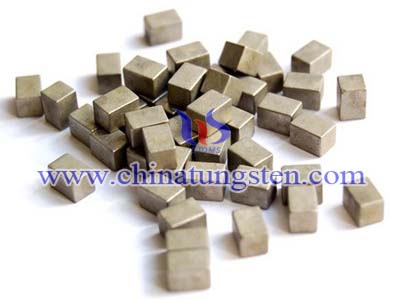
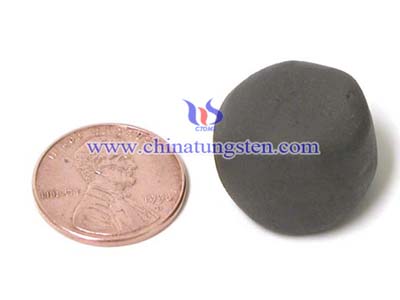
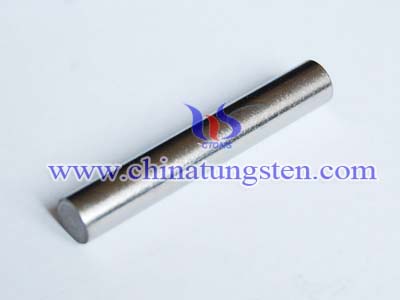
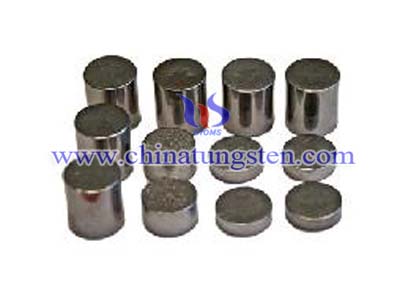
(5) Structures: Shielding containers, shielding vessels, collimators, shielding blocks, shielding rings, shielding covers, protective drawers, and custom-shaped components
(6) Dimensions: Customized
CTIA GROUP has nearly 30 years of experience in tungsten alloy manufacturing, with established capabilities in powder metallurgy and precision machining. CTIA manufactures and customizes shielding containers, shielding blocks, collimators, and complex custom-shaped components for laboratory radiation applications, with material grades, shielding structures, and precision-machined features tailored to specific radiation control requirements.
For any inquiry, please contact tungsten alloy manufacturer: CTIA GROUP
Email: sales@chinatungsten.com
Tel: 0086 592 5129696 / 0086 592 5129595
Website: tungsten-alloy.com
WeChat:

Related Products: