Tungsten Alloy FDG Containers
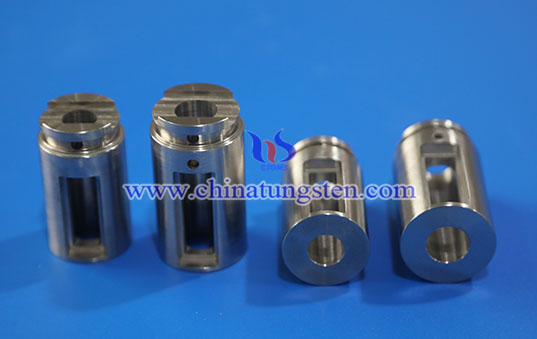
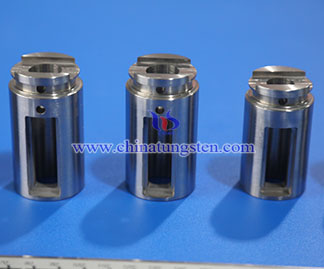
1. What Are Tungsten Alloy FDG Containers?
Tungsten alloy FDG containers are radiation shielding containers designed for the storage, transportation, and handling of Fluorodeoxyglucose (¹⁸F-FDG) and other positron-emitting radiopharmaceuticals used in Positron Emission Tomography/Computed Tomography (PET/CT) procedures. CTIA’s tungsten alloy FDG containers are made by tungsten heavy alloy and optimized for ¹⁸F-FDG applications, providing effective attenuation of 511 keV γ-rays and reducing radiation exposure during radiopharmaceutical preparation and operation. Tungsten alloy containers are widely used in nuclear medicine environments where radiation safety, operational efficiency, and long-term reliability are required.
2. Features of CTIA’s Tungsten Alloy FDG Containers
(1) 511 keV Gamma-Ray Shielding: High density of 17.0–18.5 g/cm³ and tungsten’s high atomic number provide effective attenuation of γ-rays emitted by ¹⁸F-FDG, ensuring reliable radiation protection during handling and storage.
(2) Compact Structure and Portability: Reduced wall thickness and container size under equivalent shielding requirements improve portability and support convenient operation in nuclear medicine environments.
(3) Durable Mechanical Performance: High strength, hardness, and wear resistance withstand repeated handling, dispensing, and cleaning operations, ensuring long-term service stability.
(4) Clean Surface and Flexible Design: Smooth surfaces support easy cleaning and disinfection, while customized structures such as magnetic covers and threaded locking designs meet different operation requirements.
(5) Lead-Free Medical Safety: Lead-free tungsten alloy materials eliminate lead contamination risks and meet safety requirements for medical and radiopharmaceutical applications.
3. Applications of CTIA’s Tungsten Alloy FDG Containers
(1) Radiopharmaceutical Preparation: Used for temporary storage, dispensing, and dose preparation of ¹⁸F-FDG after synthesis, reducing radiation exposure during high-activity drug operations.
(2) Hospital Drug Transfer: Used for transportation of FDG radiopharmaceuticals between preparation areas and PET/CT injection areas, improving radiation safety during internal transfer.
(3) PET/CT Injection Procedures: Used for syringe transfer, drug handling, and patient administration to reduce radiation exposure to medical personnel.
(4) Radioactive Waste Storage: Used for temporary storage of residual FDG drugs, used syringes, and radioactive waste materials, reducing radiation impact in storage areas.
(5) Radiopharmaceutical Transportation: Used as shielding packaging for FDG transport between hospitals and regional distribution centers, ensuring safe handling of radioactive materials.
4. Specifications of CTIA’s Tungsten Alloy FDG Containers
(1) Materials: W-Ni-Fe
(2) Tungsten Content: 90%–97%
(3) Density: 17.0–18.5 g/cm³
(4) Dimensions: Outer diameter 30–100 mm, height 50–150 mm, wall thickness 5–30 mm, customizable
(5) Surface Treatment: Polishing, nickel plating, passivation
CTIA GROUP brings nearly 30 years of expertise in tungsten alloy manufacturing, combining advanced powder metallurgy processes with precision machining technologies for radiation shielding applications. CTIA designs and manufactures tungsten alloy FDG containers according to nuclear medicine requirements, providing optimized structures and precise processing for different radiopharmaceutical specifications and operating conditions with reliable shielding performance and long-term stability.
For any inquiry, please contact tungsten alloy manufacturer: CTIA GROUP
Email: sales@chinatungsten.com
Tel: 0086 592 5129696 / 0086 592 5129595
Website: tungsten-alloy.com
WeChat:

Related Products: