Tungsten Alloy Radiation Shielding in Proton Therapy
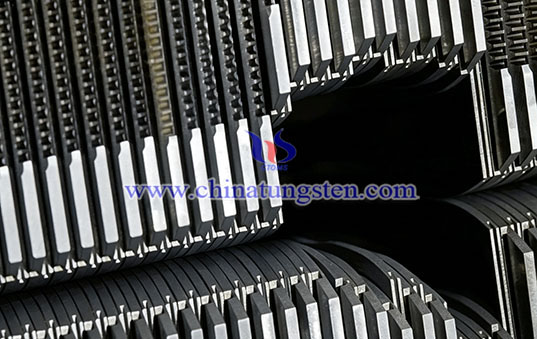
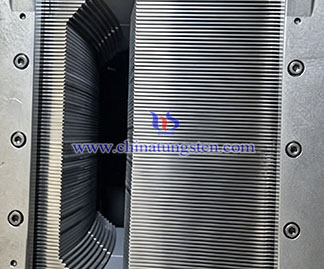
Tungsten alloy radiation shielding in proton therapy comprises high-density precision shielding components installed along the Beam Transport Line (BTL), around Beam Position Monitors (BPM), and inside treatment nozzles of proton and heavy-ion accelerators. The components shape high-energy proton beams, define treatment-field boundaries, and limit radiation leakage outside target areas. CTIA’s tungsten alloy radiation shielding combines effective particle and radiation attenuation with compact dimensions, mechanical strength, radiation resistance, and dimensional stability for demanding proton therapy systems.
1. Features of CTIA’s Tungsten Alloy Radiation Shielding in Proton Therapy
(1) High-Energy Particle Attenuation: Reduce high-energy proton penetration and attenuate secondary high-energy X-rays and gamma rays with density of 16.7–18.8 g/cm³, supporting precise treatment-field boundary control.
(2) High Strength and Long-Term Stability: Maintain structural integrity and dimensional consistency under mechanical loads from rotating gantries and prolonged high-energy particle exposure.
(3) Excellent Radiation Resistance: Maintain structural stability under prolonged high-dose particle irradiation, reducing deformation, wear, and performance degradation associated with conventional materials.
(4) Lead-Free and Eco-Friendly: Eliminate lead-related contamination concerns while providing material compatibility and safe long-term use in modern medical equipment.
2. Applications of CTIA’s Tungsten Alloy Radiation Shielding in Proton Therapy
(1) Proton Treatment Heads: Used in beam-limiting structures, Proton Multi-leaf Collimator (Proton MLC) leaves, and conformal compensator bases to control treatment-field geometry.
(2) Proton Beam Transport Lines: Used in beam scrapers, apertures, and emergency beam stoppers along accelerator-to-gantry beam transport paths to intercept abnormal beams and protect equipment structures.
(3) Beam Monitoring Systems: Used around Beam Position Monitors (BPM) and Ionization Chambers (IC) to reduce secondary radiation interference with beam and dose measurement.
(4) Rotating Gantry Systems: Used in localized shielding blocks, fixed sleeves, and collimation channels within high-radiation areas of proton and heavy-ion therapy gantries to support long-term operational stability.
(5) Heavy-Ion Therapy Equipment: Used in beam control, shielding, and precision collimation components for carbon-ion and other heavy-ion therapy systems.
3. Specifications of CTIA’s Tungsten Alloy Radiation Shielding in Proton Therapy
(1) Materials: W-Ni-Fe, W-Ni-Cu
(2) Tungsten Content: 90%–97%
(3) Density: 16.7–18.8 g/cm³
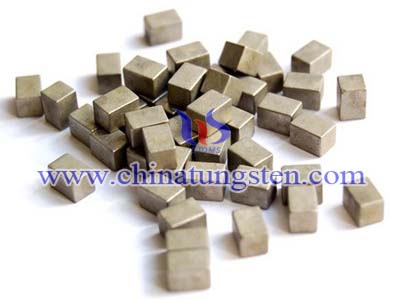
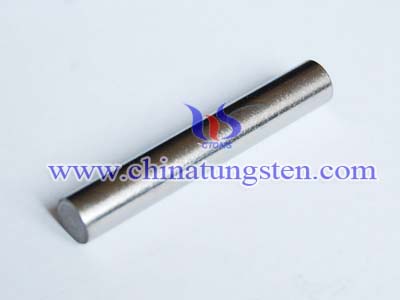
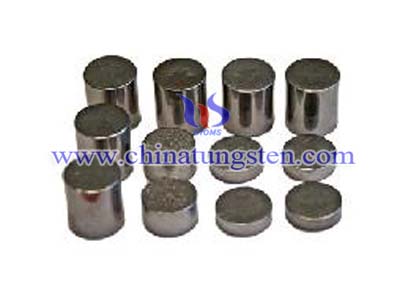
(4) Structures: Proton MLC leaves, beam stoppers, apertures, scrapers, shielding covers, custom-shaped shielding components
(5) Dimensions: Customized to equipment requirements
With nearly 30 years of tungsten alloy manufacturing experience, CTIA GROUP manufactures precision shielding components for proton and heavy-ion therapy systems. CTIA applies powder metallurgy and precision machining to achieve controlled shielding geometry, critical dimensions, and mounting interfaces, supplying customized components that meet beam control, radiation protection, equipment integration, and long-term operational requirements.
For any inquiry, please contact tungsten alloy manufacturer: CTIA GROUP
Email: sales@chinatungsten.com
Tel: 0086 592 5129696 / 0086 592 5129595
Website: tungsten-alloy.com
WeChat:

Related Products: