Tungsten Alloy Radiation Shielding in NDT
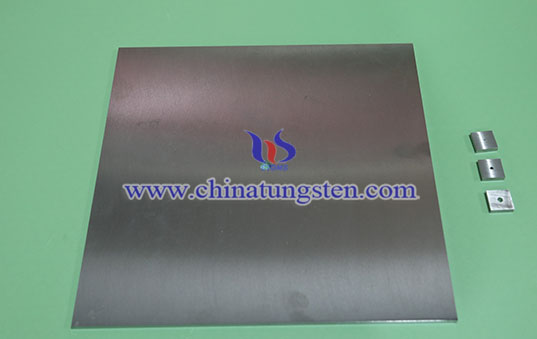
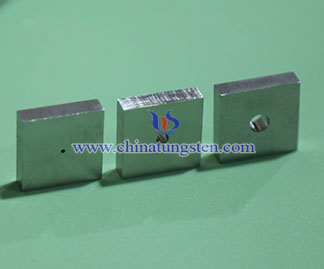
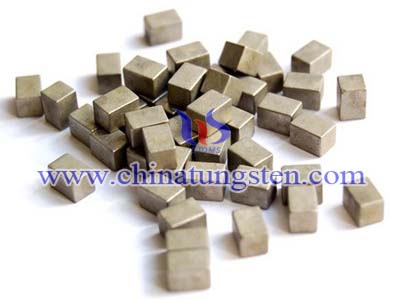
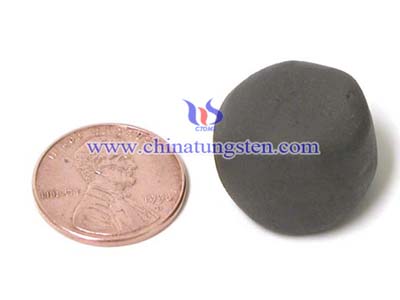
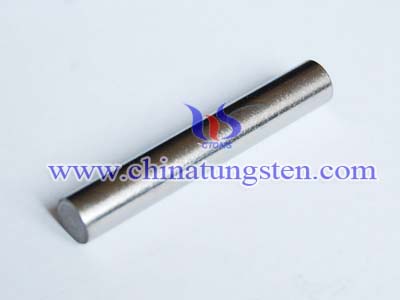
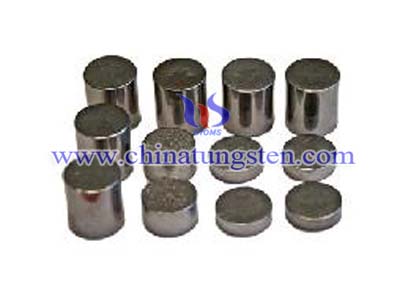
Tungsten alloy radiation shielding comprises precision shielding and beam-collimation structures for X-ray and gamma-ray attenuation, beam control, and scatter suppression in industrial Non-Destructive Testing (NDT) equipment. CTIA’s tungsten alloy radiation shielding reduces unwanted radiation interference during radiographic inspection, improving image clarity and defect detection while supporting safe operation in high-precision inspection systems.
1. Features of CTIA’s Tungsten Alloy Radiation Shielding in NDT
(1) Effective Radiation Shielding: Effectively shielding X-rays and gamma rays with a density of 16.7–18.8 g/cm³, reducing radiation leakage and scattered radiation.
(2) Compact Structure: Reducing shielding thickness and component volume, supporting integration into space-constrained inspection equipment.
(3) High Strength and Long Service Life: Withstanding vibration, impact, and prolonged service with good mechanical strength, hardness, and wear resistance.
(4) High Precision Machinability: Powder metallurgy combined with precision machining, wire cutting, grinding, and polishing enables the production of complex structures such as collimators, shielding rings, and anti-scatter grids to meet different radiation control requirements.
(5) Operational Stability: Maintaining dimensional stability and thermal resistance during continuous inspection and high-radiation operation.
(6) Safe and Eco-Friendly: Non-toxic and pollution-free, offering a safer, environmentally friendly alternative to traditional lead shielding for long-term use in industrial testing and laboratory setups.
2. Applications of CTIA’s Tungsten Alloy Radiation Shielding in NDT
(1) Weld and Structural Inspection: Used in radiographic testing of petrochemical pipelines, pressure vessels, steel structures, and large engineering assemblies, controlling beam direction and suppressing scatter to improve internal flaw identification.
(2) Industrial CT Inspection: Used in industrial CT inspection of precision mechanical parts, electronic components, composite materials, and additively manufactured parts to reduce background radiation and improve three-dimensional imaging quality.
(3) Aerospace Component Inspection: Used for inspecting aircraft engines, airframe structures, and advanced materials to support internal defect analysis and high-precision quality control.
(4) Automotive and Machinery Inspection: Used for inspecting automotive castings, machined parts, and metal structures to identify internal defects such as cracks, porosity, and inclusions.
3. Specifications of CTIA’s Tungsten Alloy Radiation Shielding in NDT
(1) Grades: 90WNiFe, 92.5WNiFe, 95WNiFe, 97WNiFe
(2) Tungsten Content: 90%–97%
(3) Density: 16.7–18.8 g/cm³
(4) Types: Covers, rings, collimators, anti-scatter grids, plates, customizable
(5) Dimensions: Customized
With nearly 30 years of tungsten alloy expertise, CTIA GROUP manufactures precision radiation shielding parts for NDT equipment. CTIA controls alloy composition, density, shielding geometry, and critical dimensions through powder metallurgy, precision machining, and dimensional inspection, ensuring consistent radiation attenuation, effective scatter control, and accurate assembly.
For any inquiry, please contact tungsten alloy manufacturer: CTIA GROUP
Email: sales@chinatungsten.com
Tel: 0086 592 5129696 / 0086 592 5129595
Website: tungsten-alloy.com
WeChat:

Related Products: