Tungsten Alloy Radiation Shielding in Oil Well
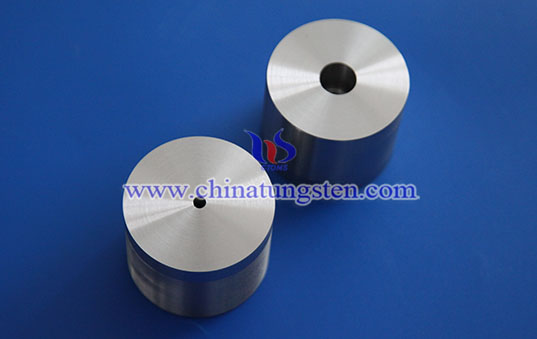
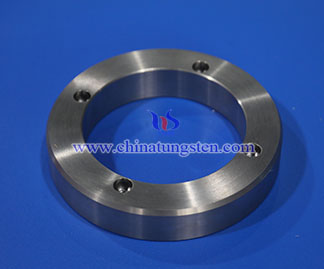
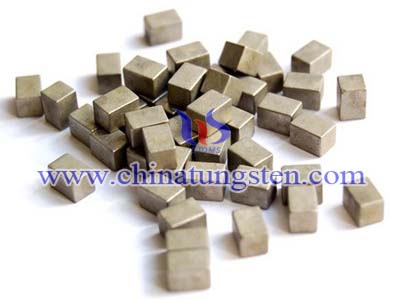
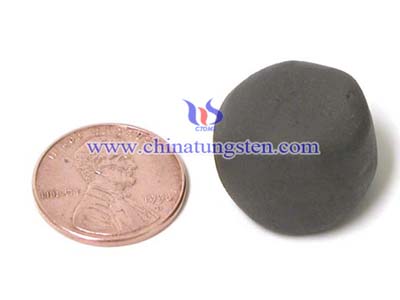
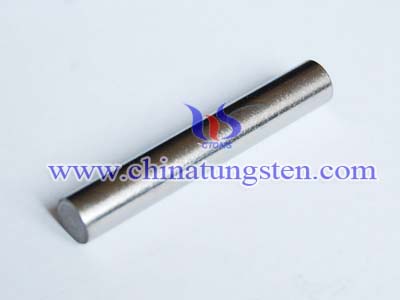
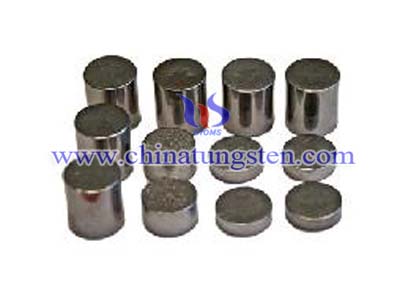
Tungsten alloy radiation shielding in oil well refers to high-density radiation protection components applied in oil/gas logging and measurement-while-drilling equipment, primarily used for gamma-ray sources, neutron source encapsulation, beam collimation, and detector protection. During oil well drilling, downhole tools must operate under high temperatures, high pressures, severe vibration, and complex geological environments. CTIA’s tungsten alloy radiation shielding combines high density, mechanical strength, and structural stability to reduce unwanted radiation interference, protect sensitive electronic modules, and support reliable downhole measurement data.
1. Features of CTIA’s Tungsten Alloy Radiation Shielding in Oil Well
(1) High Shielding Efficiency: Effectively attenuating gamma radiation and associated secondary radiation with density of 17.0–18.5 g/cm³, enhancing radiation protection for downhole instruments.
(2) Compact Structure: Reducing shielding volume and component dimensions through high material density, supporting compact downhole instrument designs.
(3) Downhole Environmental Resistance: Maintaining structural integrity and dimensional stability under high-temperature, high-pressure, and high-vibration downhole conditions.
(4) Precise Beam Collimation: Controlling radiation propagation through precision-machined collimation channels of 5–10 mm, with machining accuracy up to ±0.01 mm.
(5) Corrosion Resistance and Stability: Resisting corrosion in saline, humid, and hydrogen sulfide-containing downhole environments while maintaining stable structural performance.
(6) Low-Magnetic Compatibility: Minimizing magnetic interference through W-Ni-Cu alloys for downhole instruments with magnetic sensitivity requirements.
2. Applications of CTIA’s Tungsten Alloy Radiation Shielding in Oil Well
(1) Measurement While Drilling (MWD) Systems: Used around radioactive sources and detector modules to shield non-target radiation and support stable measurements of well inclination, azimuth, and formation parameters.
(2) Logging While Drilling (LWD) Tools: Used around gamma-ray, resistivity, and neutron detection modules to reduce environmental radiation interference and improve formation evaluation accuracy.
(3) Gamma-Ray Logging Instruments: Used around radioactive sources such as Cs-137 for shielding and collimation, controlling gamma-ray propagation for formation density and lithology measurements.
(4) Neutron Logging Instruments: Used around Am-Be or D-T neutron source assemblies to reduce neutron and associated gamma-ray interference and support reliable formation parameter measurements such as porosity.
(5) Downhole Radiation Detection Components: Used around detectors, electronic modules, and sensitive components to improve operational stability under high-temperature, high-pressure, and high-vibration conditions.
3. Specifications of CTIA’s Tungsten Alloy Radiation Shielding in Oil Well
(1) Materials: W-Ni-Fe, W-Ni-Cu
(2) Tungsten Content: 90%–97%
(3) Density: 17.0–18.5 g/cm³
(4) Types: Shielding rings, shielding sleeves, collimators, custom shielding parts
(5) Dimensions: Customized
CTIA GROUP combines nearly 30 years of tungsten alloy manufacturing expertise with capabilities in powder metallurgy, precision machining, and dimensional inspection. CTIA tailors tungsten alloy radiation shield to downhole instrument configurations, radiation source characteristics, and operating conditions, supporting effective radiation protection, stable signal acquisition, and reliable long-term performance in oil and gas well logging systems.
For any inquiry, please contact tungsten alloy manufacturer: CTIA GROUP
Email: sales@chinatungsten.com
Tel: 0086 592 5129696 / 0086 592 5129595
Website: tungsten-alloy.com
WeChat:

Related Products: