Tungsten Alloy Radiation Shielding in PET-CT Equipment
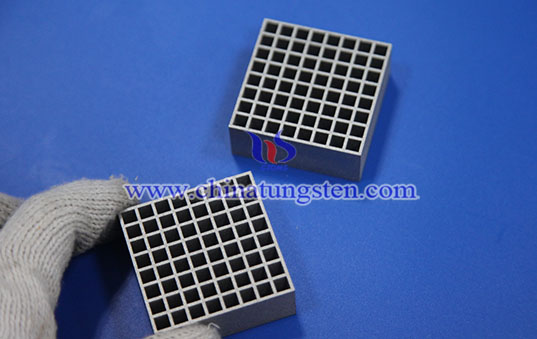
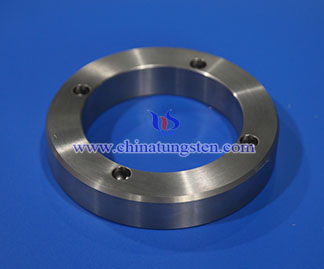
Tungsten alloy radiation shielding in PET-CT (Positron Emission Tomography-Computed Tomography) equipment attenuates γ-rays, X-rays, and scattered radiation in radiation-sensitive areas. High-density tungsten alloy provides effective attenuation within limited installation space, supporting compact shielding structures and precise integration. CTIA manufactures tungsten alloy shielding parts for detector assemblies, collimation systems, calibration source compartments, and other PET-CT equipment components, addressing radiation attenuation, scatter control, mechanical strength, and assembly accuracy for stable operation.
1. Features of CTIA’s Tungsten Alloy Radiation Shielding in PET-CT Equipment
(1) Effective Radiation Attenuation: Density of 16.7–18.8 g/cm³ provides effective attenuation of 511 keV γ-rays in PET systems and X-rays in CT systems, reducing scattered radiation reaching detectors and imaging systems.
(2) Compact Structure: High material density helps reduce shielding thickness and overall dimensions, making shielding components suitable for limited installation space inside PET-CT gantries.
(3) High Strength and Stability: High mechanical strength, wear resistance, and dimensional stability help withstand vibration and mechanical loads during long-term equipment operation.
(4) Precision Machining: Precision machining of collimation slots, shielding rings, mounting holes, and complex profiles meets dimensional and assembly requirements for detectors, collimators, and gantry components.
(5) Lead-Free Material: Tungsten alloy does not contain lead, avoiding contamination concerns associated with conventional lead shielding. Polished and easy-to-decontaminate surfaces facilitate cleaning, maintenance, and long-term use.
2. Applications of CTIA’s Tungsten Alloy Radiation Shielding in PET-CT Equipment
(1) Cyclotron and Radiopharmaceutical Synthesis: Used for local radiation shielding in production target chambers for positron-emitting radionuclides such as ¹⁸F, radiopharmaceutical synthesis hot cells, and glove boxes.
(2) Radiopharmaceutical Dispensing and Transfer: Used in dispensing containers, vial shielding components, and transfer containers for radiopharmaceuticals such as ¹⁸F-FDG and ⁶⁸Ga to reduce radiation exposure during handling.
(3) Radiopharmaceutical Injection Protection: Used in PET syringe shields, vial shielding rings, and related components for radiopharmaceutical withdrawal, injection, and administration.
(4) PET-CT Detector and Collimation Systems: Used in detector shielding rings, anti-scatter structures, and collimators to reduce stray and scattered radiation reaching detectors and improve imaging signal-to-noise ratio.
(5) Calibration Sources and Internal Equipment Shielding: Used in calibration source compartments for ⁶⁸Ge/⁶⁸Ga sources, automatic calibration mechanisms, and local shielding structures inside PET-CT gantries.
3. Specifications of CTIA’s Tungsten Alloy Radiation Shielding in PET-CT Equipment
(1) Grades: 90WNiFe, 93WNiFe, 95WNiFe, 97WNiFe, 90WNiCu, 95WNiCu
(2) Density: 16.7–18.8 g/cm³
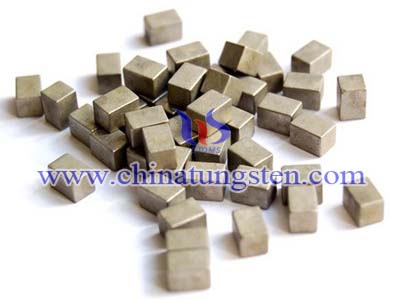
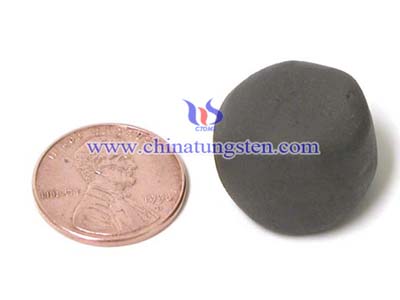
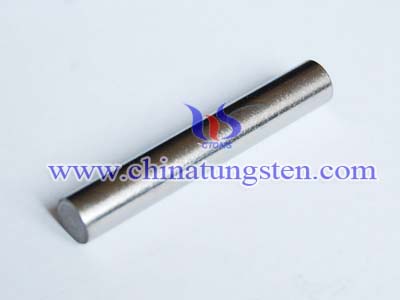
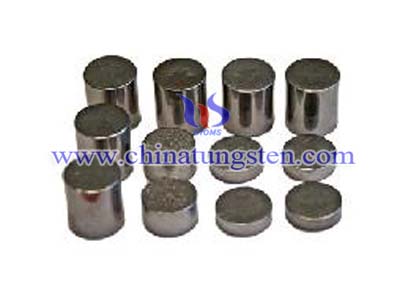
(3) Forms: Rings, collimators, anti-scatter structures, calibration source compartments, and customized shielding parts
(4) Dimensions: Customized according to requirements
CTIA GROUP has nearly 30 years of tungsten alloy manufacturing experience and specializes in high-density shielding component production and precision machining. CTIA controls material grade, shielding thickness, critical geometry, and assembly interfaces during component manufacturing to meet PET-CT requirements for radiation attenuation, scatter control, dimensional accuracy, and long-term operational stability.
For any inquiry, please contact tungsten alloy manufacturer: CTIA GROUP
Email: sales@chinatungsten.com
Tel: 0086 592 5129696 / 0086 592 5129595
Website: tungsten-alloy.com
WeChat:

Related Products: