Tungsten Alloy Radiation Shielding in SPECT Equipment
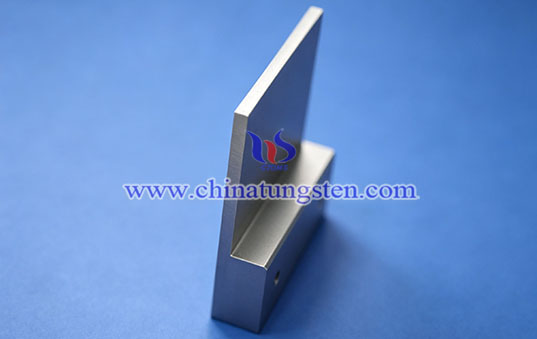
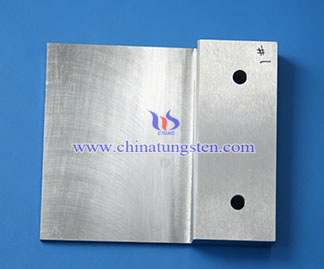
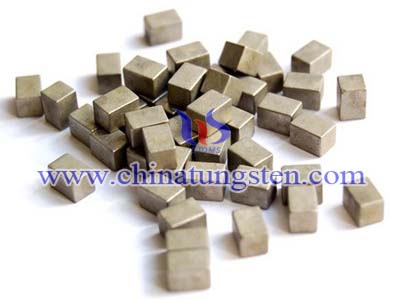
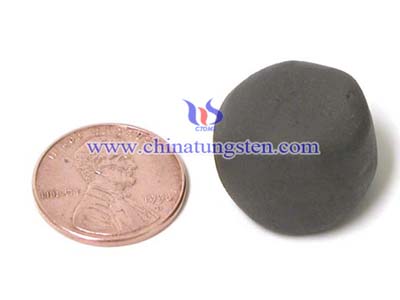
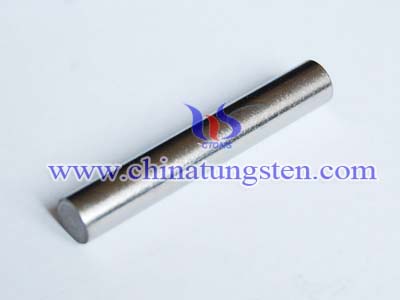
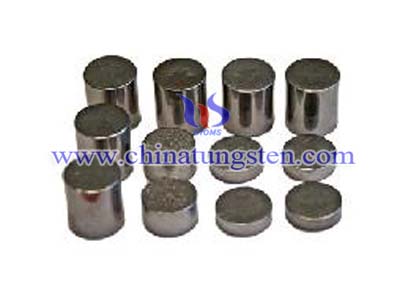
Tungsten alloy radiation shielding in SPECT equipment is a key radiation control component used for γ-ray collimation, scatter suppression, and detector signal optimization. CTIA's tungsten alloy radiation shielding effectively attenuates γ-rays and can be precision-machined into collimation and shielding structures to control γ-ray propagation, reduce stray radiation interference, improve imaging quality and detection accuracy, and meet the requirements for precise radiation control and long-term operational stability.
1. Features of CTIA’s Tungsten Alloy Radiation Shielding in SPECT Equipment
(1) Effective Shielding: Attenuates γ-rays with a density of 16.7–18.8 g/cm³, reducing the effects of radiation leakage and scattered radiation on imaging.
(2) Precise Collimation: Precision-machinable into parallel-hole, pinhole, and other collimation geometries to restrict γ-ray incident angles, improving detection signal accuracy and spatial resolution.
(3) Scatter Suppression: Blocks radiation from non-target directions from reaching detector regions, reducing background noise and improving image contrast and lesion detection.
(4) Compact Structure: Reduces component thickness and installation space through high material density while meeting radiation shielding requirements, making it suitable for compact SPECT equipment.
(5) Precision Machining: Supports precision machining, wire electrical discharge machining (Wire EDM), electrical discharge machining (EDM), grinding, and polishing for complex channels, custom-shaped structures, and high-precision shielding components.
(6) Long-Term Durability: Maintains mechanical strength, wear resistance, and dimensional stability under long-term medical equipment operating conditions.
2. Applications of CTIA’s Tungsten Alloy Radiation Shielding in SPECT Equipment
(1) SPECT Collimator Assemblies: Applied in parallel-hole collimators, pinhole collimators, and specialized collimation structures to govern γ-ray propagation paths, improving spatial resolution and imaging accuracy.
(2) SPECT Detector Protective Structures: Applied surrounding detector heads and sensor modules to block stray radiation, enhancing effective signal acquisition quality.
(3) SPECT/CT Hybrid Imaging Equipment: Applied in internal radiation shielding structures to reduce stray radiation impact, increasing multimodality fusion image stability.
(4) Nuclear Medicine Imaging Systems: Applied in SPECT diagnostic systems for bone imaging, myocardial perfusion, and oncology examinations, raising medical image quality and diagnostic reliability.
3. Specifications of CTIA’s Tungsten Alloy Radiation Shielding in SPECT Equipment
(1) Materials: W-Ni-Fe, W-Ni-Cu
(2) Tungsten Content: 90%–97%
(3) Density: 16.7–18.8 g/cm³
(4) Structures: Parallel-hole collimators, pinhole collimators, focused collimators, shielding rings
(5) Customization: Dimensions, aperture sizes, structural forms, and mounting requirements
CTIA GROUP draws on nearly 30 years of tungsten alloy manufacturing experience and specializes in the production and precision machining of tungsten alloy shields. CTIA selects material grades and density levels and defines collimation geometry and aperture dimensions according to SPECT equipment requirements, while controlling machining tolerances and surface quality to maintain uniform density, smooth aperture walls, and consistent shielding performance for precise radiation control, scatter suppression, and long-term operational stability.
For any inquiry, please contact tungsten alloy manufacturer: CTIA GROUP
Email: sales@chinatungsten.com
Tel: 0086 592 5129696 / 0086 592 5129595
Website: tungsten-alloy.com
WeChat:

Related Products: