High Specific Gravity Tungsten Alloy Radiation Shielding Parts
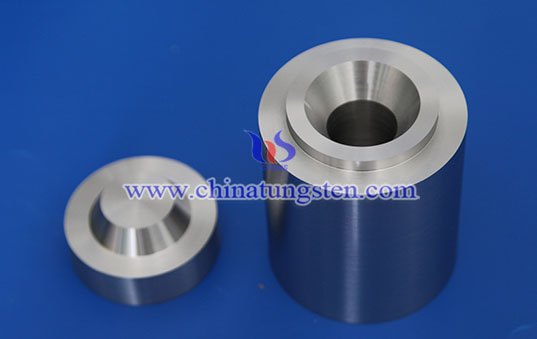
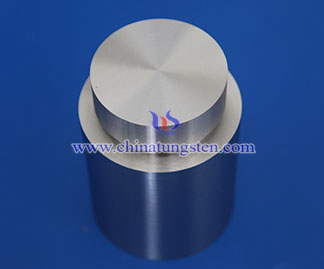
1. What Are High Specific Gravity Tungsten Alloy Radiation Shielding Parts?
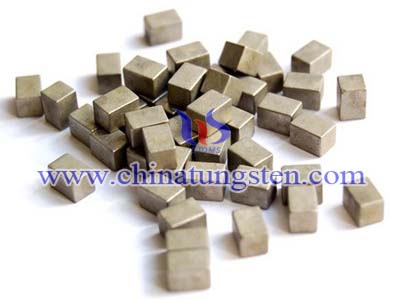
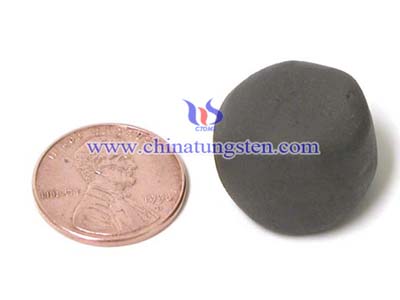
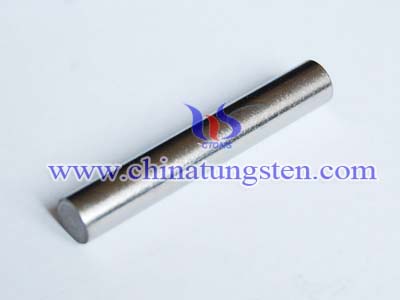
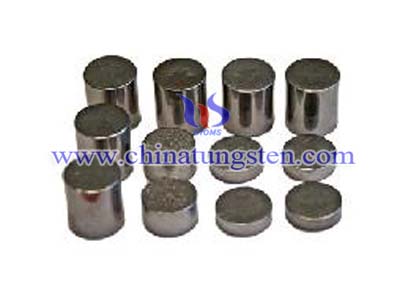
High specific gravity tungsten alloy radiation shielding parts are high-performance radiation protection components manufactured through powder metallurgy using tungsten (W) as the primary material with nickel (Ni), iron (Fe), copper (Cu), and other elements as binders. With tungsten content typically ranging from 90%–97%, these components combine high density, strong radiation attenuation capability, and excellent mechanical properties. CTIA’s high specific gravity tungsten alloy shielding parts provide efficient X-ray and γ-ray protection while offering a lead-free alternative to traditional lead (Pb) shielding materials, making them suitable for compact radiation protection structures requiring high shielding efficiency and long-term reliability.
2. Features of CTIA’s High Specific Gravity Tungsten Alloy Radiation Shielding Parts
(1) High Specific Gravity for Superior Radiation Attenuation
Provides excellent mass attenuation performance for X-rays and γ-rays with a sintered density of 16.5–18.8 g/cm³. Combines high tungsten content with high atomic number of tungsten to achieve effective radiation absorption, reducing shielding thickness and component size by 30%–40% compared with traditional lead materials under the same protection requirements.
(2) Lead-Free Material for Safer Radiation Protection
Eliminates toxic heavy metal exposure and lead contamination throughout manufacturing and application. Requires no additional protective coating and complies with environmental and medical safety standards, including Restriction of Hazardous Substances (RoHS) requirements.
(3) High Strength for Structural Reliability
Provides a tensile strength of 700–1000 MPa and elongation of 10%–20%, delivering excellent impact resistance and dimensional stability. Overcomes the brittleness of pure tungsten and maintains reliable performance in precision shielding structures subjected to mechanical stress.
(4) Precision Machining for Complex Shielding Structures
Supports advanced machining processes, including Computer Numerical Control (CNC) machining and micro-hole processing. Enables the production of thin-wall components, Multi-Leaf Collimator (MLC) leaves, precision collimators, and other complex shielding structures with tight dimensional requirements.
(5) High Temperature Resistance and Dual Functionality
Maintains structural stability above 1400°C with a low thermal expansion coefficient of 4.5–5.0×10⁻⁶/K and excellent corrosion resistance. Provides both radiation shielding and precision counterweighting functions in compact equipment through its high density.
3. Applications of CTIA’s High Specific Gravity Tungsten Alloy Radiation Shielding Parts
(1) Nuclear Medicine and Medical Equipment
Used in PET and SPECT systems, syringe shielding sleeves, radioactive isotope transport and storage containers, medical linear accelerator collimators, MLC leaves, and Gamma Knife shielding structures where compact size and high shielding efficiency are required.
(2) Industrial Radiation Inspection
Used in X-ray and γ-ray inspection equipment, including radioactive source containers, shutters, and directional collimators, providing accurate radiation control and reducing radiation leakage during non-destructive testing processes.
(3) Nuclear Industry
Used in reactor monitoring systems, spent fuel processing facilities, Hot Cell shielding structures, and radioactive waste storage containers to provide reliable protection against high-energy radiation.
(4) Scientific Research
Used in particle beam shielding components, radiation collimators, synchrotron radiation source beamline shielding structures, and high-energy physics experimental equipment requiring compact and high-performance radiation protection.
(5) Oil Well Logging and Geological Exploration
Used in radioactive source protection covers and downhole logging probes for oil exploration equipment, providing stable performance under high-temperature, high-pressure, and corrosive underground environments.
(6) Aerospace
Used in satellites, spacecraft, and space stations to protect sensitive electronic components and instruments from cosmic radiation exposure while maintaining compact equipment design.
(7) Defense and Military
Used in specialized radiation protection systems and military equipment requiring high-density shielding materials with compact dimensions and reliable mechanical performance.
4. Specifications of CTIA’s High Specific Gravity Tungsten Alloy Radiation Shielding Parts
(1) Materials: W-Ni-Fe, W-Ni-Cu
(2) Tungsten Content: 90%–97%
(3) Density: 16.5–18.8 g/cm³
(4) Grades: 90WNiFe, 92.5WNiFe, 95WNiFe, 97WNiFe
(5) Types: Blocks, plates, tubes, rings, sleeves, containers, collimators, customized components
(6) Customization: Miniature to large shielding structures; tolerance up to ±0.005 mm, Ra 0.4–0.8 μm
CTIA GROUP has specialized in tungsten alloy manufacturing for nearly 30 years, focusing on the development and precision manufacturing of tungsten alloy shielding parts. With advanced material processing and machining capabilities, CTIA provides customized shielding components with different grades, density levels, and structural designs for medical, nuclear, industrial inspection, aerospace, and defense applications, meeting requirements for radiation attenuation efficiency, compact design, machining precision, and long-term stability.
For any inquiry, please contact tungsten alloy manufacturer: CTIA GROUP
Email: sales@chinatungsten.com
Tel: 0086 592 5129696 / 0086 592 5129595
Website: tungsten-alloy.com
WeChat:

Related Products: