Tungsten Alloy Radiation Shielding in PET Equipment
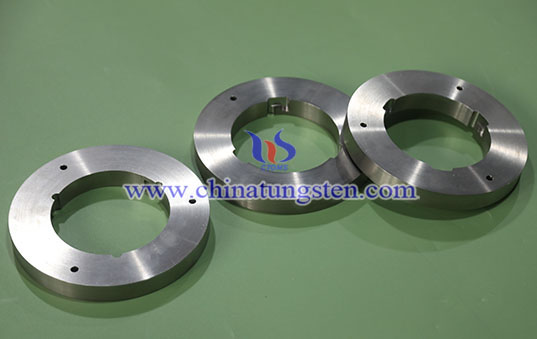
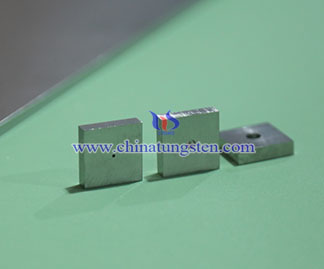
Tungsten alloy radiation shielding in PET (Positron Emission Tomography) equipment is used for γ-ray attenuation, scatter radiation control, and detector protection. High-density tungsten alloy provides effective attenuation of 511 keV γ-rays and can be precision-machined into shielding structures for PET detector modules and other radiation-sensitive areas. CTIA manufactures tungsten alloy shielding components to reduce unwanted radiation interference, improve imaging signal-to-noise ratio and detection accuracy, and meet requirements for precision and long-term operational stability in PET equipment.
1. Features of CTIA’s Tungsten Alloy Radiation Shielding in PET Equipment
(1) Effective γ-Ray Shielding: Attenuates 511 keV γ-rays generated during PET imaging with a density of 16.7–18.8 g/cm³, reducing radiation leakage and scattered radiation.
(2) Reduced Scatter Interference: Controls radiation entering detector regions from non-target directions, reducing background noise and improving PET image clarity and detection accuracy.
(3) Compact Structure: Reduces shielding structure dimensions through high material density, supporting PET detector modules and compact equipment designs.
(4) Precision Machining: Supports turning, Wire Electrical Discharge Machining (Wire EDM), Electrical Discharge Machining (EDM), grinding, and polishing for complex shielding structures and custom-shaped components.
(5) Long-Term Stability: Maintains mechanical strength, wear resistance, and dimensional stability during long-term PET equipment operation.
(6) Lead-Free Material: Eliminates lead and other harmful elements, supporting safe use in medical equipment.
2. Applications of CTIA’s Tungsten Alloy Radiation Shielding in PET Equipment
(1) PET Detector Component Protection: Used in PET detector modules and surrounding shielding structures to reduce interference from non-target γ-rays and scattered radiation, improving effective signal collection.
(2) PET/CT System Shielding: Used in internal radiation protection structures in PET/CT equipment to control stray radiation propagation and improve imaging stability and detection accuracy.
(3) PET Imaging System Collimation: Used in radiation control and shielding components to limit unwanted radiation entering detector regions, reduce background noise, and improve image quality.
(4) Research PET Equipment: Used in small-animal PET and customized research imaging equipment, meeting radiation shielding and precision installation requirements within compact structures.
3. Specifications of CTIA’s Tungsten Alloy Radiation Shielding in PET Equipment
(1) Materials: W-Ni-Fe, W-Ni-Cu
(2) Tungsten Content: 90%–97%
(3) Density: 16.7–18.8 g/cm³
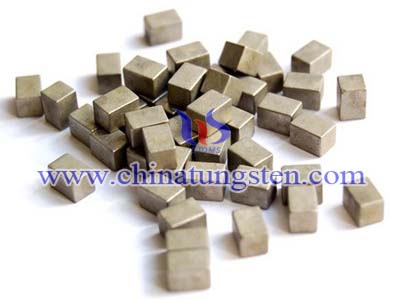
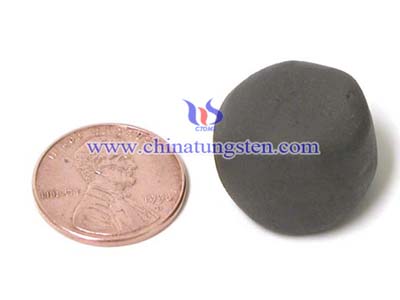
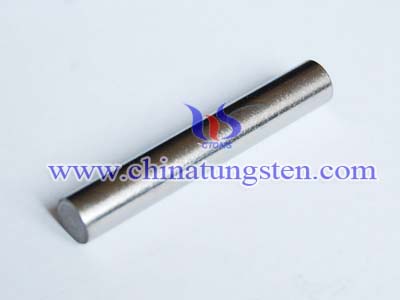
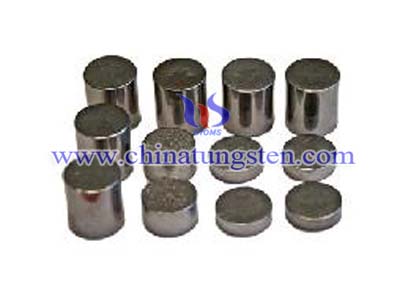
(4) Forms: Rings, detector shields, collimation components, and customized shielding parts
(5) Dimensions: Customizable
With nearly 30 years of tungsten alloy manufacturing experience, CTIA GROUP specializes in producing and precision-machining tungsten alloy shielding components. CTIA engineers shielding solutions by optimizing shielding geometry, critical dimensions, and mounting interfaces to meet PET equipment requirements, ensuring effective radiation attenuation, controlled scatter, precise assembly, and long-term dimensional stability.
For any inquiry, please contact tungsten alloy manufacturer: CTIA GROUP
Email: sales@chinatungsten.com
Tel: 0086 592 5129696 / 0086 592 5129595
Website: tungsten-alloy.com
WeChat:

Related Products: