Tungsten Alloy Radiation Shielding in Syringe Protection
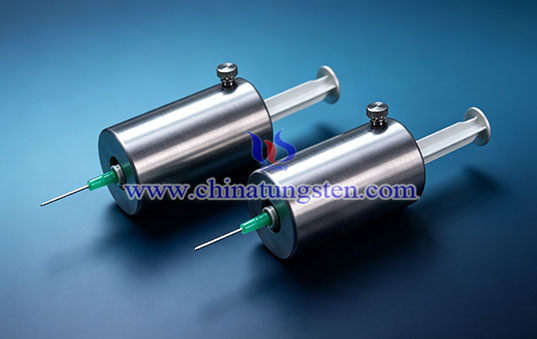
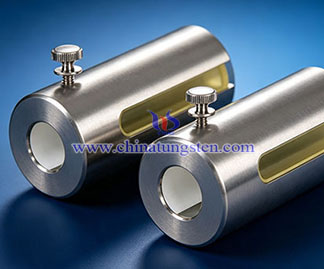
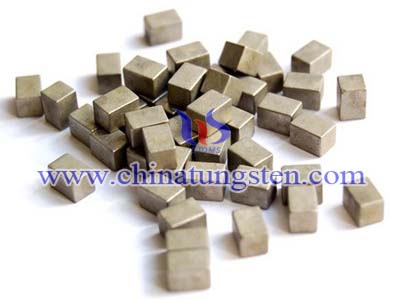
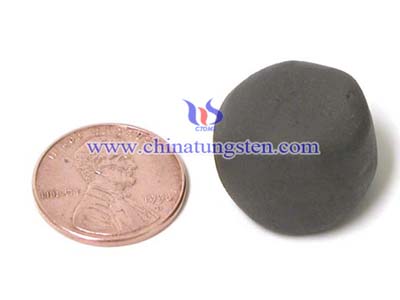
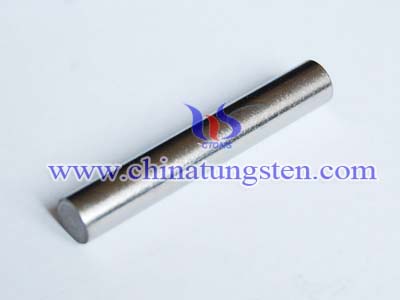
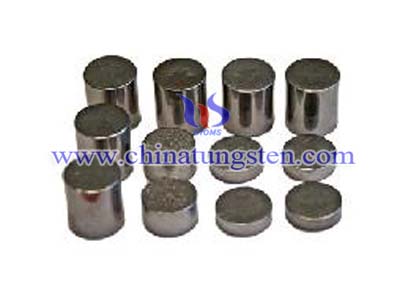
Tungsten alloy radiation shielding is portable radiation shielding device manufactured from high-density tungsten-based alloy through powder metallurgy, and precision machining. Designed for syringe protection, it reduces radiation exposure to medical personnel's hands. CTIA’s tungsten alloy syringe shields effectively attenuate β/γ radiation from radiopharmaceuticals and offer higher density and strength, more compact structures, and lead-free performance compared with lead syringe shields. Cylindrical shielding structures can incorporate viewing windows, sliding windows, and locking mechanisms for 1–10 mL syringes, facilitating drug observation, withdrawal, and injection.
1. Why Choose Tungsten Alloy Radiation Shielding for Syringe Protection?
(1) Delivers Effective High-Density Shielding: Tungsten alloy has a density of 16.7–18.8 g/cm³. Its high density and atomic number effectively attenuate γ-rays from radiopharmaceuticals.
(2) Reduces Shield Size: High density enables effective shielding within limited space, making tungsten alloy suitable for portable syringe shields with limited operating space.
(3) Resists Wear and Deformation: High strength, hardness, and wear resistance make tungsten alloy less prone to deformation than lead, supporting frequent installation, removal, and repeated use.
(4) Maintains Dimensional Accuracy: Good dimensional stability reduces deformation caused by mechanical loads and environmental changes, helping maintain accurate fit between shield and syringe during long-term use.
(5) Eliminates Lead Contamination: Lead-free tungsten alloy avoids toxicity and contamination associated with lead materials and supports surface cleaning and decontamination for radiopharmaceutical handling.
2. Applications of CTIA’s Tungsten Alloy Radiation Shielding in Syringe Protection
(1) Nuclear Medicine Diagnostic Injection: Used for withdrawal and intravenous injection of PET (Positron Emission Tomography) and SPECT (Single Photon Emission Computed Tomography) radiopharmaceuticals, including F-18 FDG and Tc-99m-labeled drugs.
(2) Radionuclide Therapy: Used for withdrawal, injection, and administration of therapeutic radiopharmaceuticals such as I-131 and Lu-177.
(3) Post-Dispensing Injection: Used for transfer and injection after radiopharmaceutical withdrawal from hot cells or vials, supporting close-range handling of higher-activity radiopharmaceuticals.
(4) PET Radiopharmaceutical Handling: Used for withdrawal, transfer, and injection of PET radiopharmaceuticals. Shielding structure can be configured according to protection requirements for 511 keV annihilation photons generated by F-18.
(5) Research and Clinical Trials: Used for injection of radioactive tracers and radiolabeled drugs in nuclear medicine research and clinical trials.
3. Specifications of CTIA’s Tungsten Alloy Radiation Shielding in Syringe Protection
(1) Materials: W-Ni-Fe, W-Ni-Cu
(2) Tungsten Content: 90%–97%
(3) Density: 16.7–18.8 g/cm³
(4) Forms: Cylindrical, viewing-window, sliding-window, and quick-release structures
(5) Dimensions: Custom wall thickness, inner diameter, and cavity dimensions
(6) Syringe Size: 1 mL, 2 mL, 3 mL, 5 mL, and 10 mL
(7) Surface: Polished
CTIA GROUP draws on nearly 30 years of tungsten alloy manufacturing expertise, integrating powder metallurgy, material processing, structural design, and precision machining. Based on radionuclide characteristics, shielding requirements, and syringe specifications, CTIA controls shielding thickness, internal cavity dimensions, and assembly accuracy to manufacture tungsten alloy syringe shields for reliable radiation protection and practical radiopharmaceutical handling.
For any inquiry, please contact tungsten alloy manufacturer: CTIA GROUP
Email: sales@chinatungsten.com
Tel: 0086 592 5129696 / 0086 592 5129595
Website: tungsten-alloy.com
WeChat:

Related Products: