Tungsten Alloy Radiation Shielding in Accelerator
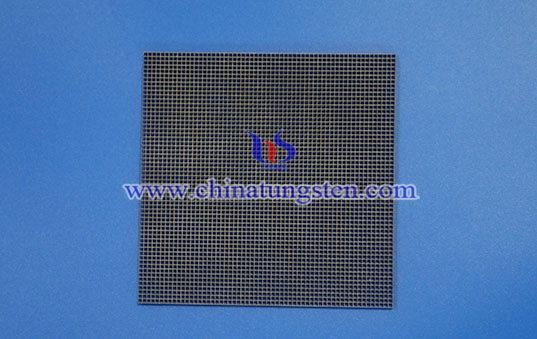
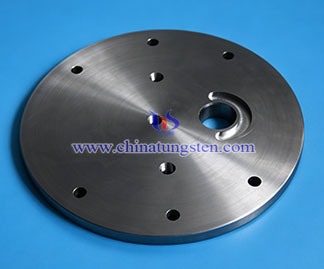
Tungsten alloy radiation shielding in accelerator systems refers to radiation protection and beam-control components used in medical linear accelerators, cyclotrons, synchrotrons, and other accelerator equipment. CTIA’s tungsten alloy radiation shields primarily attenuate X-rays, gamma rays, neutrons, and other secondary radiation generated during accelerator operation, while collimation structures control the propagation range of particle beams.
1. Why Do Accelerators Need Tungsten Alloy Radiation Shielding?
(1) Radiation Attenuation: Tungsten has an atomic number of 74, while tungsten alloy has a density of 16.7–18.8 g/cm³, providing strong attenuation of X-rays and gamma rays for effective shielding within limited space.
(2) Compact Shielding Structures: High material density reduces shielding thickness and volume required to achieve the same protection level, supporting compact accelerator designs.
(3) Structural Stability: High strength, hardness, and wear resistance withstand mechanical stresses during long-term operation and reduce deformation of components such as collimators and shielding blocks.
(4) High-Temperature & Irradiation Resistance: Good high-temperature stability allows tungsten alloy to withstand elevated thermal loads and prolonged irradiation in areas such as accelerator targets.
(5) Precision Machining: Machinable with high-precision apertures, narrow slits, complex curved surfaces, and custom geometries to fulfill beam control, beam collimation, and tight mounting tolerances.
(6) Magnetic Field Compatibility: Material options like W-Ni-Fe and non-magnetic W-Ni-Cu alloys allow selection based on specific magnetic environment requirements within the accelerator.
2. Applications of CTIA’s Tungsten Alloy Radiation Shielding in Accelerator
(1) Medical Linear Accelerators: Machined into primary collimators, secondary collimation structures, Multileaf Collimators (MLC), and localized shielding parts to control treatment beam range and reduce scattered and leakage radiation.
(2) Cyclotron Target Stations: Used around targets, beam exits, collimation structures, and localized shielding areas to attenuate X-rays, neutrons, and other secondary radiation generated by proton interactions with target materials.
(3) Synchrotron Beamline Systems: Applied around beamlines, collimation systems, experimental ports, and equipment to reduce the effects of stray radiation on equipment and experimental areas.
(4) High-Energy Particle Experiment Equipment: Used for particle beam collimation, beam shaping, and detector protection, with precision channels and slits controlling beam propagation and reducing background radiation.
(5) Accelerator Detector Systems: Installed around detectors and sensing components to reduce scattered radiation entering detection areas and minimize interference from background signals.
(6) Beamline Shielding: Applied around beam pipes, equipment interfaces, observation ports, and other localized areas to reduce radiation leakage while maintaining normal beam transmission.
3. Specifications of CTIA’s Tungsten Alloy Radiation Shielding in Accelerator
(1) Material: W-Ni-Fe, W-Ni-Cu
(2) Tungsten Content: 90%–97%
(3) Density: 16.7–18.8 g/cm³
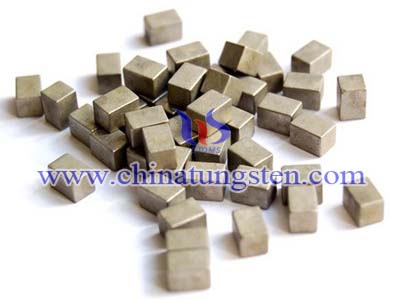
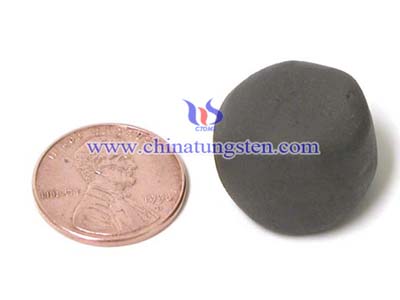
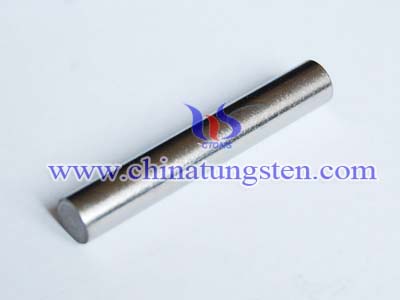
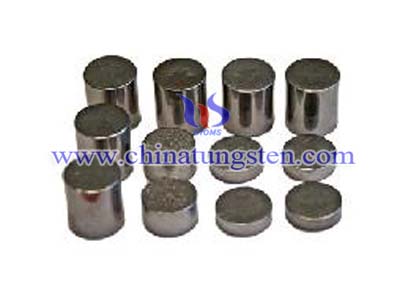
(4) Structures: Collimators, shielding blocks, shielding plates, shielding rings, shielding tubes, and custom-shaped shielding components
(5) Dimensions: Customized according to customer radiation protection requirements
With nearly 30 years of experience in tungsten alloy manufacturing, CTIA GROUP integrates powder metallurgy and precision machining for radiation shielding applications. CTIA customizes collimators, shielding blocks, shielding rings, and complex shielding components based on accelerator radiation environments, beam-control requirements, and installation constraints, with precise control of component geometry and interfaces.
For any inquiry, please contact tungsten alloy manufacturer: CTIA GROUP
Email: sales@chinatungsten.com
Tel: 0086 592 5129696 / 0086 592 5129595
Website: tungsten-alloy.com
WeChat:

Related Products: