Tungsten Alloy Radiation Shielding in Isotope Storage
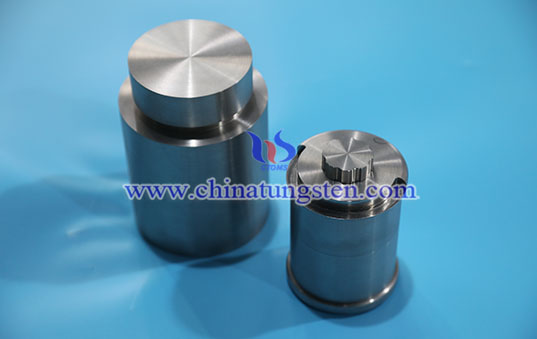
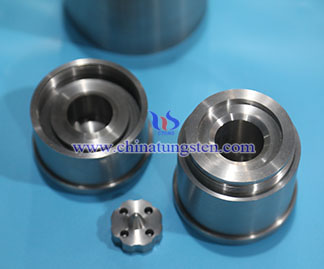
Tungsten alloy radiation shielding in isotope storage refers to radiation protection components designed for the safe storage, temporary holding, and long-term storage of radioactive isotopes. CTIA’s tungsten alloy shielding parts utilize tungsten’s high density and high atomic number to effectively attenuate γ-rays and X-rays and can contribute to neutron shielding when incorporated into composite shielding structures. Compared with conventional lead shielding, tungsten alloy offers compact structures, high strength, corrosion resistance, and lead-free performance, providing reliable radiation protection within limited storage space for nuclear medicine isotopes, industrial radioactive sources, and research isotopes.
1. Features of CTIA’s Tungsten Alloy Radiation Shielding in Isotope Storage
(1) Effective Shielding: With density of 16.7–18.8 g/cm³ and high atomic number, tungsten alloy effectively attenuates γ-rays emitted by radioactive isotopes.
(2) Compact Structure: Thinner shielding walls and compact structures can be used while meeting shielding requirements, reducing space occupied by storage containers.
(3) High Strength and Durability: High strength, hardness, and wear resistance help maintain good structural stability during long-term storage and routine opening.
(4) Dimensional Stability: Good dimensional stability helps maintain fitting accuracy between storage containers, source cavities, and covers, supporting stable shielding structure design.
(5) Lead-Free: Free from lead, tungsten alloy avoids lead contamination risks and is suitable for isotope storage environments requiring material safety, environmental cleanliness, and decontamination performance.
(6) Corrosion Resistance: Good corrosion resistance supports long-term storage and reduces risks of performance changes caused by environmental factors.
2. Applications of CTIA’s Tungsten Alloy Radiation Shielding in Isotope Storage
(1) Nuclear Medicine: Used for storage cans, storage containers, and shielding liner structures for radioactive isotopes and related radiopharmaceuticals, including I-131, Tc-99m, F-18, and ⁶⁸Ga.
(2) Industrial Radioactive Source Storage: Used for storage containers and localized shielding structures for industrial radioactive sources such as Ir-192, Se-75, and Co-60, supporting routine storage of industrial radiography sources.
(3) Research: Used for storage containers and shielding liners for radionuclides, radioactive tracers, and isotope samples in research institutions and isotope laboratories.
(4) Isotope Production Storage: Used for temporary storage and radiation protection of radioactive isotopes produced by cyclotrons, reactors, and other facilities before further processing.
(5) Radioactive Waste Storage: Used for temporary storage containers and shielding liners for radioactive waste containing radioactive isotopes, providing localized radiation protection during storage.
3. Specifications of CTIA’s Tungsten Alloy Radiation Shielding in Isotope Storage
(1) Materials: Tungsten-nickel-iron (W-Ni-Fe), tungsten-nickel-copper (W-Ni-Cu)
(2) Density: 16.7–18.8 g/cm³
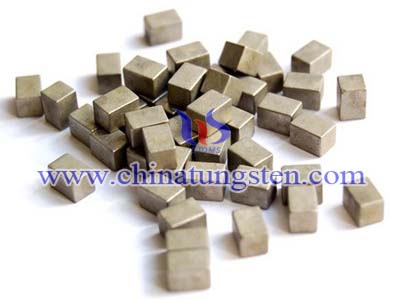
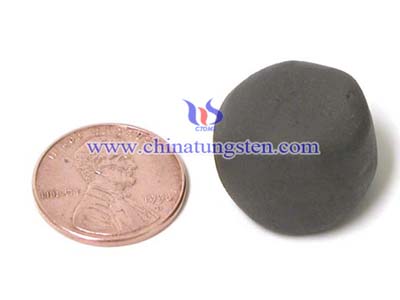
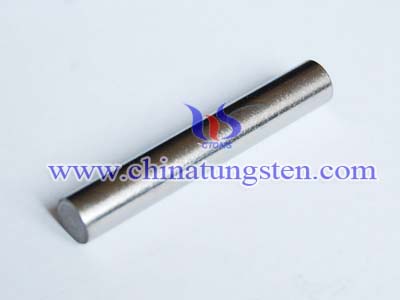
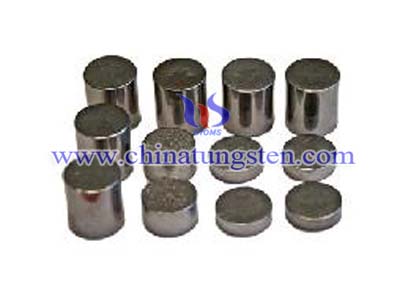
(3) Forms: Shielding cans, storage containers, storage boxes, and shielding inserts
(4) Dimensions: Customized according to customer requirements
With nearly 30 years of tungsten alloy manufacturing experience, CTIA GROUP applies expertise in material selection, structural design, and precision machining to production of high-density tungsten alloy shields. CTIA customizes shielding structures and dimensions according to isotope storage requirements, ensuring appropriate radiation shielding, mechanical strength, sealing performance, and assembly accuracy for applications in nuclear medicine, scientific research, and nuclear technology.
For any inquiry, please contact tungsten alloy manufacturer: CTIA GROUP
Email: sales@chinatungsten.com
Tel: 0086 592 5129696 / 0086 592 5129595
Website: tungsten-alloy.com
WeChat:

Related Products: