How to Select Tungsten Alloy Radiation Shield?


Tungsten alloy radiation shield is primarily used for protection against X-rays, gamma rays, and other radiation and is widely applied in medical equipment, industrial inspection, radioactive source protection, and high-end equipment. Different applications impose different requirements on shielding performance, component structure, and service properties. How to select tungsten alloy radiation shield? Selection should consider tungsten content, material system, structural configuration, and machining requirements to match specific application requirements.
How to Select Tungsten Alloy Radiation Shield?
1. Select Suitable Grade Based on Tungsten Content and Density
CTIA provides tungsten alloy radiation shields in different tungsten content grades, including 90W, 92.5W, 95W, and 97W. Material density typically ranges from 16.5 to 18.8 g/cm³. Tungsten content and density are important factors affecting radiation attenuation capability, with higher-density materials providing greater attenuation efficiency per unit volume. Higher-density grades are suitable for space-constrained equipment and applications requiring high shielding performance. CTIA matches suitable alloy grades according to shielding thickness, component dimensions, and weight limitations to balance shielding performance with structural requirements.
2. Match Shielding Performance to Radiation Type
Tungsten alloy radiation shield is primarily used for X-ray and gamma-ray protection. Tungsten has an atomic number of 74, and high material density contributes to effective attenuation of these forms of electromagnetic radiation. CTIA selects material grade, shielding thickness, and structural configuration according to radiation source type, energy level, and equipment requirements to meet different radiation protection requirements.
3. Select Material System According to Performance Requirements
CTIA provides W-Ni-Fe and W-Ni-Cu alloy systems. W-Ni-Fe generally provides high strength and balanced mechanical properties for shielding components requiring structural reliability. W-Ni-Cu offers low magnetic permeability and is suitable for applications requiring reduced magnetic interference. CTIA selects suitable material systems according to operating environment, structural requirements, and magnetic conditions.
4. Select Product Form According to Structural Design
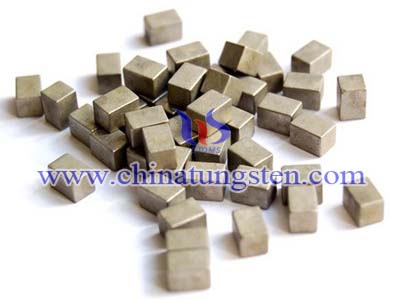
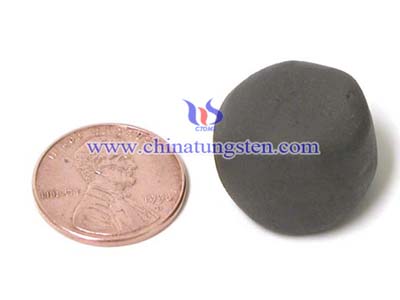
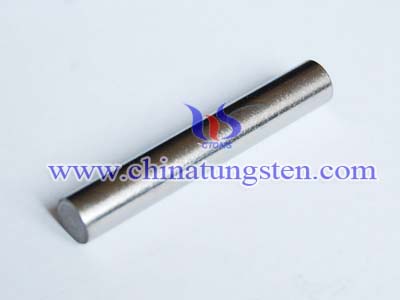
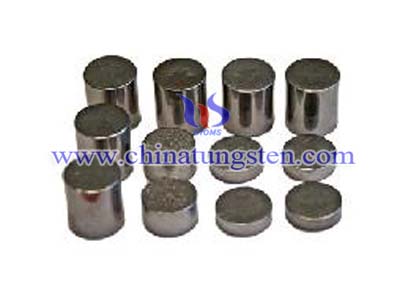
Tungsten alloy radiation shields can be manufactured as rings, sleeves, blocks, tubes, and custom-shaped structures according to installation space and equipment requirements. High-density tungsten alloys provide effective radiation attenuation within compact dimensions, making them suitable for precision equipment with limited installation space. CTIA designs and machines shielding components according to customer requirements to ensure compatibility with equipment structure and assembly.
5. Select Manufacturing Process According to Machining Requirements
Tungsten alloys combine high density with relatively high hardness, requiring suitable machining methods for different structural and dimensional requirements. CTIA applies turning, milling, grinding, drilling, wire electrical discharge machining, and other precision processes to manufacture tungsten alloy radiation shields with different dimensions and complex configurations while meeting specified dimensional tolerances.
6. Determine Customized Tungsten Alloy Radiation Shield Solution
Tungsten alloy radiation shield selection requires consideration of material grade, density, dimensions, structural configuration, radiation conditions, and operating environment. CTIA provides customized tungsten alloy radiation shield solutions for medical equipment, industrial inspection, radioactive source protection, and high-end equipment applications.
Selecting tungsten alloy radiation shield requires consideration of tungsten content, density, radiation type, material system, structural configuration, machining requirements, and application environment. CTIA matches suitable material grades, product structures, and machining solutions according to equipment protection requirements, available installation space, and dimensional accuracy. Key factors for selecting CTIA’s tungsten alloy radiation shield are summarized in picture below:

CTIA GROUP has nearly 30 years of experience in tungsten alloy manufacturing and specializes in producing and precision-machining high-density tungsten alloy radiation shields. CTIA offers W-Ni-Fe and W-Ni-Cu material systems and customized tungsten alloy radiation shield solutions based on specific application requirements, including material grade, structural configuration, and dimensions.
For any inquiry, please contact tungsten alloy manufacturer: CTIA GROUP
Email: sales@chinatungsten.com
Tel: 0086 592 5129696 / 0086 592 5129595
Website: tungsten-alloy.com
WeChat:

Related Products: