Tungsten Alloy Radiation Shielding in Industrial CT
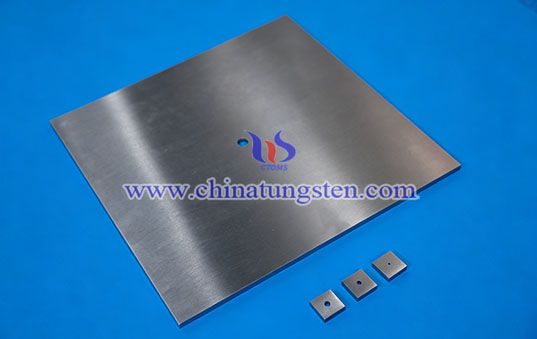
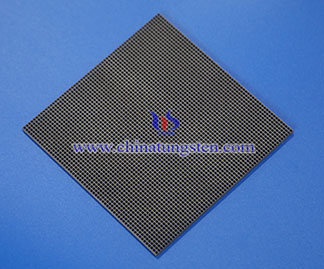
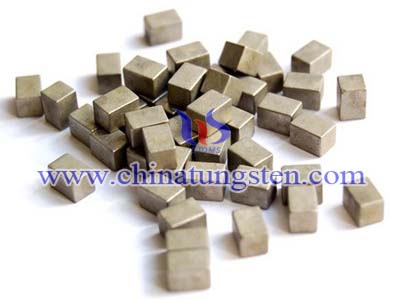
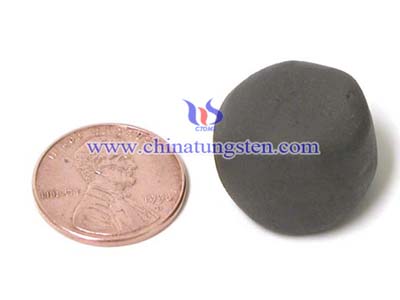
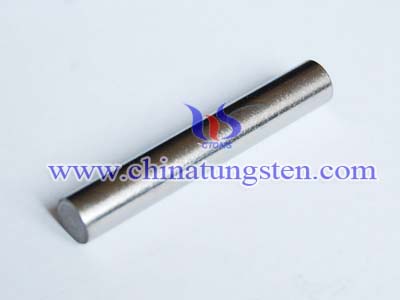
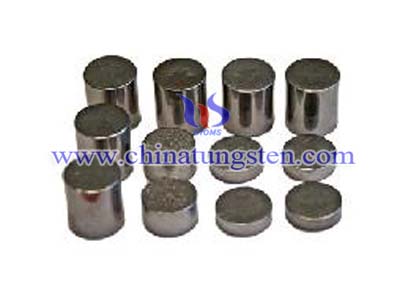
Tungsten alloy radiation shielding comprises high-density shielding structures designed to absorb stray high-energy radiation, shape beam profiles, and protect nearby electronic components in industrial CT (Computed Tomography) systems. CTIA’s tungsten alloy radiation shielding suppresses scatter, improves Signal-to-Noise Ratio (SNR), and enhances inspection resolution through effective radiation attenuation and precision machining. Compared with lead shielding, tungsten alloy offers better dimensional stability and structural rigidity without lead-related environmental concerns, supporting high-precision collimation and long-term CT operation.
1. Features of CTIA’s Tungsten Alloy Radiation Shielding in Industrial CT
(1) Effective Radiation Attenuation: High-energy X-ray attenuation with density of 16.7–18.8 g/cm³, reducing scattered radiation and improving CT imaging quality.
(2) Precise Beam Control: Controlled radiation paths through collimators, anti-scatter grids, and source shielding structures, improving beam definition and inspection accuracy.
(3) Precision Machining: Complex geometries and fine apertures achieved through powder metallurgy, precision machining, wire cutting, grinding, and polishing to meet high-precision assembly requirements.
(4) Dimensional Stability: Dimensional accuracy maintained under thermal loads generated by continuous CT exposure through low thermal expansion and good high-temperature stability.
(5) Long Service Life: Good strength, hardness, and impact resistance for withstanding vibration, mechanical loads, and repeated operation.
(6) Compact Shielding Structures: Effective radiation shielding within reduced component dimensions, supporting integration into space-constrained industrial CT equipment.
2. Applications of CTIA’s Tungsten Alloy Radiation Shielding in Industrial CT
(1) Aerospace Component Inspection: Used in Industrial CT inspection of aircraft structures, engine components, and composite materials to reduce scattered radiation and improve internal defect detection.
(2) Automotive and Machinery Inspection: Used for inspecting automotive castings, precision mechanical components, and complex structures to identify internal defects such as cracks, porosity, and inclusions.
(3) Electronics and Semiconductor Inspection: Used in Industrial CT inspection of chip packages, electronic components, and miniature devices to reduce background radiation and improve imaging of fine structures.
(4) Additive Manufacturing Inspection: Used for inspecting 3D-printed metal parts and complex structures to analyze internal porosity, defects, and forming quality.
3. Specifications of CTIA’s Tungsten Alloy Radiation Shielding in Industrial CT
(1) Grades: 90WNiFe, 93WNiFe, 95WNiFe, 97WNiFe
(2) Tungsten Content: 90%–97%
(3) Density: 16.7–18.8 g/cm³
(4) Types: Shielding covers, collimators, anti-scatter grids, shielding rings, shielding plates, custom-shaped shielding parts
(5) Dimensions: Customized
CTIA GROUP combines nearly 30 years of tungsten alloy expertise with powder metallurgy and precision machining capabilities for industrial CT shielding applications. CTIA controls material density, shielding geometry, fine apertures, and critical dimensions to achieve consistent radiation attenuation, effective scatter suppression, and accurate component integration, supporting high-resolution imaging and stable long-term operation.
For any inquiry, please contact tungsten alloy manufacturer: CTIA GROUP
Email: sales@chinatungsten.com
Tel: 0086 592 5129696 / 0086 592 5129595
Website: tungsten-alloy.com
WeChat:

Related Products: