Tungsten Alloy Radiation Shielding in Weld Inspection
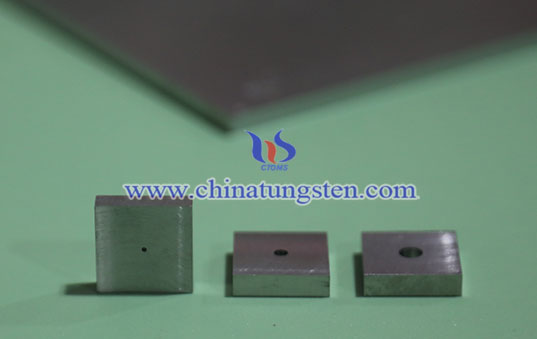
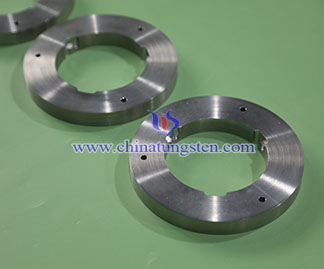
Tungsten alloy radiation shielding provides high-density radiation protection for industrial radiographic weld inspection, supporting X-ray and gamma-ray attenuation, beam collimation, and scatter suppression. CTIA’s tungsten alloy radiation shielding reduces radiation leakage and scattered radiation, improving radiographic image clarity and defect detection for welded pipelines, pressure vessels, steel structures, and large industrial equipment.
1. Features of CTIA’s Tungsten Alloy Radiation Shielding in Weld Inspection
(1) Efficient Radiation Protection: Exceptional attenuation capacity against X-rays and gamma rays effectively lowers leakage and scattered radiation, enhancing radiation safety during weld inspection.
(2) Precise Beam Collimation: Engineered into collimators, shielding rings, and radiation source protective assemblies to control beam orientation, reduce stray radiation, and elevate radiographic imaging quality for flaw detection.
(3) Structural Stability and Durability: Superior mechanical strength, hardness, and wear resistance enable parts to withstand mechanical vibration, impact, and continuous long-term use while maintaining structural integrity.
(4) Field Environment Adaptability: Excellent corrosion resistance and dimensional stability fulfill demands for long-term service in pipeline inspection, outdoor construction, and complex industrial environments.
(5) Compact Structural Design: High specific gravity properties allow reduced thickness and overall volume of shielding assemblies, making them ideal for space-constrained non-destructive testing equipment.
(6) Precision Machining Capabilities: Combining powder metallurgy with fine machining processes allows the fabrication of custom shielding components across diverse dimensions, aperture sizes, and structural configurations.
2. Applications of CTIA’s Tungsten Alloy Radiation Shielding in Weld Inspection
(1) Pipeline Weld Inspection: Used for radiographic inspection of oil, gas, and industrial pipelines to control beam direction and reduce scatter, improving detection of cracks, porosity, incomplete penetration, and other internal defects.
(2) Pressure Vessel Inspection: Used for inspecting welded structures in boilers, storage tanks, and pressure equipment to reduce environmental scatter and improve radiographic image quality and inspection reliability.
(3) Large Structural Component Inspection: Used for weld inspection of bridges, engineering equipment, and large mechanical structures in demanding field environments.
(4) Aerospace Component Inspection: Used for inspecting aircraft engines, airframe structures, and critical welded components to identify internal defects and support quality control.
3. Specifications of CTIA’s Tungsten Alloy Radiation Shielding in Weld Inspection
(1) Materials: W-Ni-Fe, W-Ni-Cu
(2) Tungsten Content: 90%–97%
(3) Density: 16.7–18.8 g/cm³
(4) Grades: 90WNiFe, 92.5WNiFe, 95WNiFe, 97WNiFe
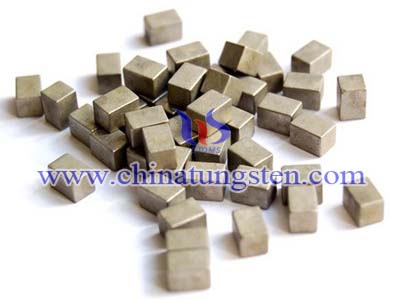
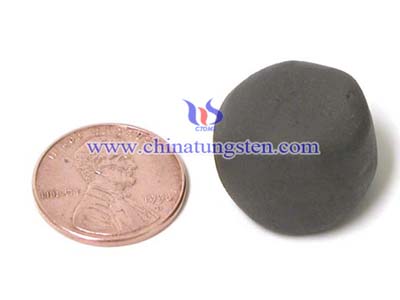
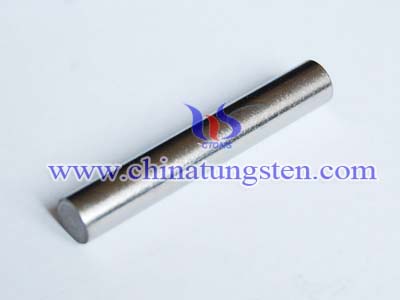
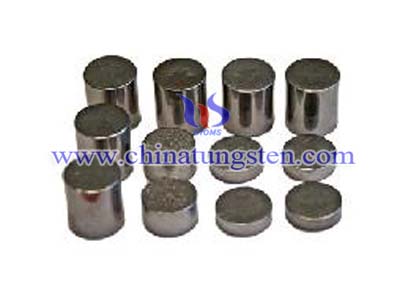
(5) Types: Source shields, shielding rings, annular collimators, collimator sleeves, shielding plates, custom components
(6) Dimensions: Customized
Backed by nearly 30 years of tungsten alloy expertise, CTIA GROUP integrates material selection, powder metallurgy, precision machining, and dimensional inspection to deliver radiation shielding assemblies for weld radiography. CTIA matches material grades, density, shielding geometry, and critical dimensions to equipment configurations and inspection requirements, ensuring reliable radiation protection, effective scatter control, precise assembly, and long-term service stability.
For any inquiry, please contact tungsten alloy manufacturer: CTIA GROUP
Email: sales@chinatungsten.com
Tel: 0086 592 5129696 / 0086 592 5129595
Website: tungsten-alloy.com
WeChat:

Related Products: