Tungsten Alloy Radiation Shielding in MRI Equipment
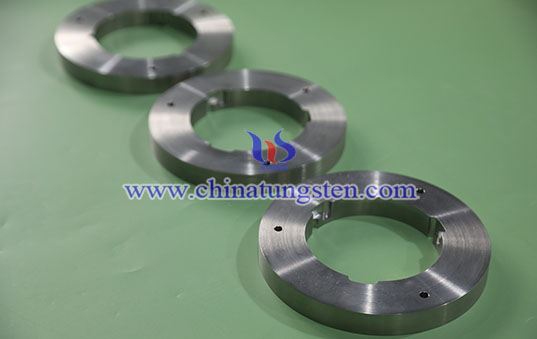
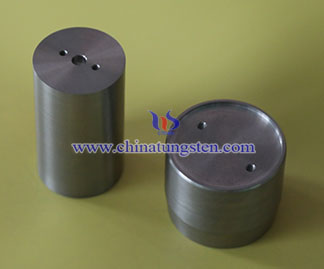
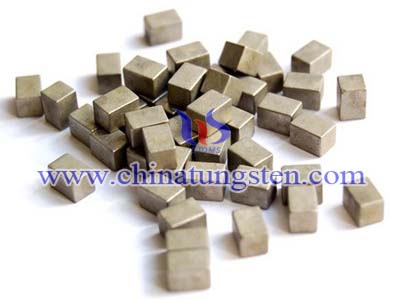
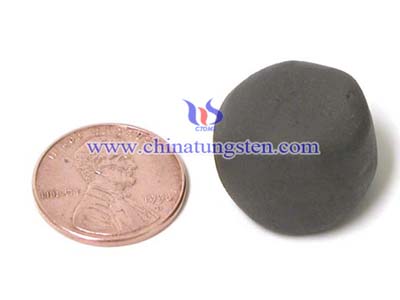
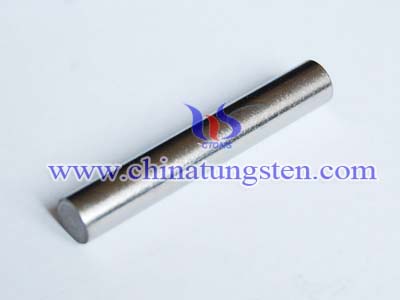
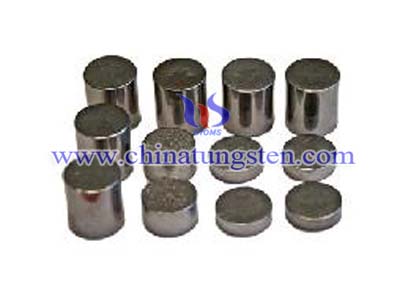
Tungsten alloy radiation shielding in MRI equipment (Magnetic Resonance Imaging) refers to tungsten alloy shields used for radiofrequency (RF) interference control, electromagnetic environment management, and signal stabilization. CTIA’s tungsten alloy radiation shielding parts use tungsten matrix with nickel and copper as binder phases and are manufactured through powder metallurgy, offering stable material properties, good machinability, and compatibility with MRI magnetic environments. Used in sensitive areas of MRI equipment, they reduce external noise interference during signal acquisition and support stable imaging performance.
1. Features of CTIA’s Tungsten Alloy Radiation Shielding in MRI Equipment
(1) Low Magnetic Interference and Magnetic Environment Compatibility: Employs W-Ni-Cu materials tailored for MRI environments to minimize magnetic field impact, fulfilling strict device Electromagnetic Compatibility (EMC) requirements.
(2) Electromagnetic Shielding for Signal Stability: Effectively suppresses external electromagnetic interference and reduces RF noise impact, raising MRI signal acquisition quality.
(3) High-Density Structure with Superior Protection: Leverages high specific gravity properties to achieve excellent shielding performance within confined spatial boundaries.
(4) Precision Machining with Versatile Structural Adaptation: Supports machining of complex shapes, thin-walled profiles, and custom precision components, meeting internal MRI equipment installation requirements.
(5) Dimensional Stability and Reliable Operation: Excellent mechanical properties and long-term dimensional stability make them ideal for continuous medical device operational environments.
(6) Non-Toxic and Eco-Friendly: Stable, non-toxic material properties offer an eco-friendly alternative superior to traditional lead-containing materials, adhering to medical device environmental standards.
2. Applications of CTIA’s Tungsten Alloy Radiation Shielding in MRI Equipment
(1) Radio-Frequency Shielding Components: Used around MRI radio-frequency systems to reduce external electromagnetic noise and support signal acquisition quality.
(2) Electronic Module Protection: Used around internal electronic components and control modules to reduce electromagnetic interference and support system stability.
(3) Auxiliary Gradient System Shielding: Used in related structural components to assist electromagnetic environment control and support reliable equipment operation.
(4) Signal Detection and Transmission Components: Used around sensitive signal areas to reduce external interference and improve signal-to-noise ratio.
(5) Medical MRI Systems: Used in 1.5T, 3T, and other MRI systems and related medical imaging equipment, with structures and mounting configurations customized to equipment requirements.
3. Specifications of CTIA’s Tungsten Alloy Radiation Shielding in MRI Equipment
(1) Material: W-Ni-Cu
(2) Tungsten Content: 90%–97%
(3) Density: 16.7–18.8 g/cm³
(4) Forms: Covers, rings, sleeves, and precision shielding components
(5) Customization: Dimensions, structures, and mounting interfaces
With nearly 30 years of experience in tungsten alloy manufacturing, CTIA GROUP provides professional production and precision machining services for tungsten alloy shields. CTIA customizes tungsten alloy shielding parts according to MRI equipment structure and installation requirements, controlling geometry, critical dimensions, mounting interfaces, and installation clearances. CTIA integrates powder metallurgy, CNC machining, dimensional inspection, and surface-quality control to ensure consistent material performance, precise assembly, and reliable long-term operation across different MRI configurations and technical requirements.
For any inquiry, please contact tungsten alloy manufacturer: CTIA GROUP
Email: sales@chinatungsten.com
Tel: 0086 592 5129696 / 0086 592 5129595
Website: tungsten-alloy.com
WeChat:

Related Products: